
Your energy bills are shaped by far more than your thermostat settings and the age of your furnace. Outdoor conditions around your property quietly influence how hard your home has to work to stay comfortable, and most homeowners never connect the dots. From the slope of your lawn to the material under your driveway, small outdoor details can add real dollars to your monthly statement. This article walks through the overlooked outdoor factors worth investigating before you blame your utility provider for another high bill.
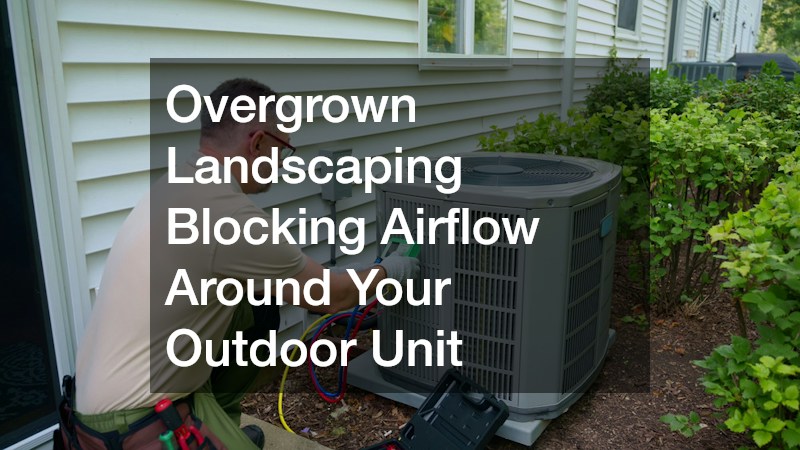
Overgrown Landscaping Blocking Airflow Around Your Outdoor Unit
Shrubs, vines, and tall grass growing too close to your condenser unit restrict the airflow it needs to release heat efficiently. When airflow is blocked, the system runs longer and harder to reach the same temperature, driving up consumption without you noticing anything wrong inside the house. A unit that cycles longer also wears out faster, which means repair costs on top of inflated bills.
Routine lawn care services can keep vegetation trimmed back at least two feet from the unit on all sides, which is a simple fix many homeowners overlook until a technician points it out. Keeping the area clear also makes seasonal maintenance faster and cheaper, since technicians will not need to clear brush before inspecting coils or wiring.
- Keep shrubs and grass trimmed at least 24 inches from the unit
- Remove vines or climbing plants that wrap around the housing
- Clear leaves and debris from the top and sides regularly
- Avoid placing mulch beds directly against the unit’s base
Ground Cover Choices That Affect Soil Temperature and Drainage
The material covering the soil around your foundation and outdoor equipment does more than look tidy. Dark, dense ground cover can trap heat near your home’s exterior walls, making indoor cooling harder during summer months. Materials that drain poorly can also direct moisture toward your foundation, which over time affects insulation performance in basements and crawl spaces.
Many homeowners choose bark dust for flower beds and borders because it retains moisture for plants while still allowing some airflow, but the depth and placement matter more than people realize. Piling it too high against siding or equipment pads can trap humidity and heat against surfaces that need to stay dry and cool. A few inches is usually plenty, spread a safe distance from exterior walls and any mechanical equipment.
- Keep organic ground cover a few inches away from siding and equipment
- Choose lighter-colored mulch in hot climates to reduce heat absorption
- Check drainage patterns after heavy rain to spot pooling near the foundation
- Replace compacted or decomposed mulch yearly for consistent performance

Hidden Water Leaks That Strain Irrigation and Utility Systems
A slow leak in an underground sprinkler line or backflow device does not just waste water, it can quietly raise your utility costs and create soggy conditions that affect soil insulation around your home. Many homeowners never think to check these connections because the damage is invisible until the yard becomes unusually wet or the water bill spikes. Catching these issues early prevents larger plumbing repairs down the line.
Scheduling annual back flow testing ensures your irrigation system is not siphoning water unnecessarily or creating pressure problems that strain your home’s main water supply. This kind of testing is often required by local code anyway, so pairing it with a general outdoor inspection saves time. Addressing leaks promptly also protects your landscaping investment, since oversaturated soil can damage plant roots and turf over time.
- Check sprinkler heads and valve boxes for unexplained wet spots
- Watch for unexplained increases in your water bill
- Have backflow devices tested at least once a year
- Inspect exposed irrigation lines for cracks after freezing weather
Fertilizer and Lawn Chemical Runoff Affecting Soil Insulation
It might seem unrelated, but the health and density of your lawn actually plays a role in how much heat and moisture radiate toward your home’s lower walls and windows. A thin, patchy lawn absorbs and reflects heat differently than a thick, well-maintained one, and bare soil patches can increase surface temperature near your foundation significantly. This added heat can make rooms on the ground floor warmer than necessary, pushing your cooling system to work harder.
Working with a fertilizing service on a regular schedule helps maintain even, dense turf that naturally insulates the soil and reduces heat radiation back toward your home. Healthy grass also absorbs rainwater more effectively, which reduces runoff pooling near your foundation during storms. Over time, consistent lawn health translates into fewer extreme temperature swings right outside your windows.
- Dense turf reflects and absorbs heat more evenly than patchy grass
- Bare soil patches can raise nearby surface temperatures noticeably
- Regular fertilization supports better water absorption during storms
- Healthy lawns reduce dust and debris that can clog outdoor equipment
Driveway and Walkway Surfaces That Radiate Heat Into Your Home
Dark paved surfaces near your house absorb enormous amounts of heat during the day and slowly release it in the evening, often right when you are trying to cool your home down. If your driveway or walkway sits close to windows or exterior walls, that radiant heat can noticeably raise indoor temperatures in adjacent rooms. This effect is especially strong with older asphalt that has cracked or darkened with age.
When it is time to repave or patch damaged sections, asphalt companies can recommend sealants and finishes that reduce heat absorption while still holding up to weather and daily wear. Spacing driveways and walkways slightly further from living areas, where possible, also helps limit this radiant heat effect. Simple landscaping buffers like gravel strips or planting beds between pavement and your home can make a measurable difference too.
- Older, darker asphalt absorbs and radiates more heat than newer surfaces
- Cracked pavement near the home can trap additional heat and moisture
- Light-colored sealants reduce surface temperature significantly
- Buffer zones between pavement and walls limit radiant heat transfer
Fencing Materials That Trap or Release Heat Near Your Yard
The fence around your property might seem purely decorative, but material choice affects how much heat builds up in your yard and, by extension, near your home’s exterior. Wood fencing absorbs moisture and can warp over time, while metal fencing can become extremely hot to the touch and radiate that heat into surrounding air. The cumulative effect on a small yard can be surprising, especially during peak summer afternoons.
Many homeowners switch to a vinyl fence supplier for installations because vinyl reflects more sunlight than darker wood stains and requires far less maintenance over its lifespan. Lighter-colored vinyl in particular helps reduce the greenhouse-like heat buildup that can occur in smaller, fenced-in yards. This is a small factor on its own, but combined with other outdoor elements, it contributes to the overall heat load your cooling system has to manage.
- Dark wood and metal fencing can radiate significant heat in summer
- Vinyl fencing reflects more sunlight and requires less upkeep
- Lighter fence colors reduce heat buildup in enclosed yards
- Proper fence placement can still allow adequate airflow through the yard
Outdated Exterior Structures Affecting Shade and Sun Exposure
The way your home is shaded, or not shaded, throughout the day has a direct impact on indoor temperature swings and energy use. An aging patio cover, a missing awning, or overgrown trees that once provided shade but now block airflow instead can all shift how much direct sun hits your windows and walls. Many homeowners do not realize how much their outdoor structures have changed over the years until they compare old photos of their property.
If you are planning larger changes, home remodeling companies can evaluate your property’s sun exposure and suggest additions like pergolas, retractable awnings, or strategically placed trellises that block afternoon sun without blocking airflow. These updates often pay for themselves over time through reduced cooling costs, particularly on west-facing exteriors that take the brunt of afternoon heat. Even modest shade improvements can measurably lower the indoor temperature of rooms that previously ran warmer than the rest of the house.
- Aging patio covers may no longer provide adequate shade
- West-facing windows benefit most from added exterior shade
- Overgrown trees can block airflow even while providing shade
- Retractable awnings offer flexible, seasonal sun control
Outdoor Cooling Equipment That Needs Seasonal Attention
Even a well-placed, well-maintained outdoor unit can lose efficiency over a single season if it is not checked regularly. Dust, pollen, and grass clippings build up on coils and filters, forcing the system to work harder to move the same amount of air. Studies from HVAC manufacturers suggest that just a thin layer of dirt on condenser coils can reduce efficiency by 10% or more, and a severely clogged unit can drive energy use up by 30%.
This gradual decline in performance often goes unnoticed until the bill arrives noticeably higher than the previous month. The problem is that the system doesn’t simply stop working — it keeps running, just less effectively, pulling more electricity to produce the same cooling output you’re used to. A few seasonal habits can prevent most of this waste. Rinsing the outdoor condenser coils with a garden hose every month or two during peak season clears away debris before it hardens into a crust. Keeping at least two feet of clearance around the unit — free of overgrown shrubs, leaves, or stored patio furniture — allows for proper airflow. Replacing or cleaning air filters every 30 to 90 days, depending on usage and local pollen levels, also keeps the system from straining unnecessarily.
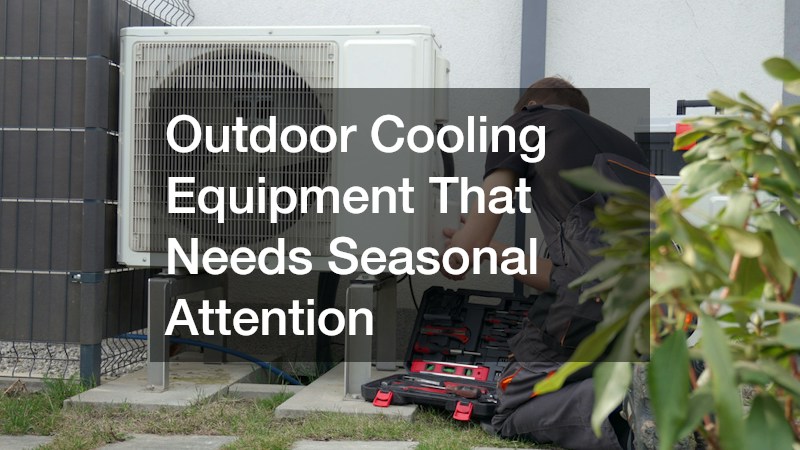
For homeowners who aren’t comfortable doing this themselves, a professional tune-up once a year, ideally before the hottest months begin, can catch issues like low refrigerant or worn components before they translate into inflated bills.
Your outdoor condenser unit works hardest during the exact months when energy prices tend to climb, which makes neglect especially costly. Dust, pollen, grass clippings, and leaves settle into the condenser coils over fall and winter, forcing the system to use more electricity to move the same amount of heat. Scheduling a visit from air conditioning contractors before peak summer season ensures coils are clean, refrigerant levels are correct, and electrical connections are secure. Refrigerant charge matters more than most homeowners realize.
A system running low by even 10% can lose a noticeable chunk of its cooling capacity while drawing roughly the same amount of power, which quietly drives up usage without any obvious sign of trouble. Routine air conditioning services also catch small issues, like a failing capacitor or a dirty filter, before they turn into costly breakdowns during the hottest week of the year. Technicians typically check fan motor amperage, inspect ductwork connections near the unit, and confirm the thermostat is communicating correctly with the compressor.
Clearing a two-foot perimeter of vegetation around the unit is another simple step that improves airflow and takes pressure off the compressor. A properly maintained system can run noticeably more efficiently than one left unchecked for several years, sometimes cutting cooling costs by 10 to 15 percent. Over a full summer, that difference can easily cover the price of the maintenance visit itself.
- Clean coils and filters improve airflow and efficiency — dirty condenser coils can cut cooling capacity by up to 30% and force the compressor to work harder
- Low refrigerant levels force the system to run longer, spiking energy use while still leaving your home underconditioned
- Debris like leaves, grass clippings, and dryer lint clogging the outdoor unit restricts airflow and strains the whole system
- Loose electrical connections can cause intermittent performance issues, premature wear, or even safety hazards
- Bent fins or a tilted, unlevel unit can reduce efficiency and shorten the equipment’s lifespan
- Annual pre-season checkups catch problems before they escalate, typically costing far less than an emergency repair or early replacement

Yard Debris and Renovation Waste That Blocks Ventilation
Home projects generate a surprising amount of outdoor clutter, from old fencing material to leftover lumber and yard waste, and this debris often ends up piled near outdoor equipment or vents without much thought. Piles of debris can block airflow to crawl space vents, outdoor units, or dryer exhausts, forcing connected systems to work harder than necessary. Over time, this also creates a habitat for pests that can chew through wiring or insulation.
Renting a dumpster rental for larger cleanup projects keeps debris contained and off to the side rather than scattered around the yard where it can interfere with ventilation points. This is especially useful during larger landscaping or remodeling projects when waste accumulates faster than regular trash pickup can handle. Keeping your yard clear not only protects your equipment but also makes seasonal inspections faster and more thorough.
- Piled debris can block crawl space vents and exterior exhausts
- Pest habitats near wiring can cause unexpected electrical issues
- Contained waste removal keeps larger projects organized
- Clear yards allow faster, more accurate equipment inspections
Small outdoor details rarely get blamed for high energy bills, yet together they can account for a meaningful portion of what you pay each month. Walking your property with fresh eyes, and addressing issues like blocked airflow, heat-radiating surfaces, and neglected equipment, puts you back in control of your energy costs. Start with the factors closest to your home’s exterior walls and outdoor units, since those tend to have the most immediate impact. A little outdoor attention now can translate into noticeably lower bills throughout the year.