Seasonal air conditioning maintenance is a vital preventative measure for preserving system performance, extending equipment operational life, and lowering monthly energy expenditures. A comprehensive tune-up involves systematic inspections, technical testing, cleaning, and precise calibration across all major electrical, mechanical, and airflow components. Understanding the primary steps involved in professional maintenance and air conditioning services helps homeowners protect their mechanical investments, maintain superior indoor air quality, and ensure a reliable, comfortable indoor environment year-round.
Core Technical Tasks Included in Seasonal AC Maintenance
Airflow and Filter Management
-
Filter Inspection and Replacement: Technicians evaluate air filter condition to prevent severe airflow restrictions. Clean filters optimize indoor air quality, reduce static pressure across the duct system, prevent blower motor strain, and keep the indoor evaporator coil from freezing during extended cooling cycles.
-
Blower Assembly Servicing: Dust accumulation on blower fan blades reduces overall airflow volume measured in cubic feet per minute (CFM) and strains the motor. Cleaning fan blades, balancing the blower wheel, and checking electrical amp draw ensures smooth, continuous air distribution.
-
Ductwork and Register Assessment: Inspecting accessible supply and return duct connections identifies air leaks, unsealed joints, or crushed flex lines that permit conditioned air to escape into unconditioned attics or crawlspaces, severely reducing overall system efficiency.
Evaporator and Condenser Coil Servicing
-
Outdoor Condenser Coil Washing: Removing accumulated dirt, leaves, lawn debris, and airborne pollen from condenser fins ensures proper heat dissipation. Obstructed condenser coils restrict lateral air movement, elevating operating head pressure and significantly increasing compressor energy consumption.
-
Indoor Evaporator Coil Inspection: Technicians examine the indoor coil for biological growth, lint buildup, or surface corrosion, ensuring efficient thermal heat absorption and preventing refrigerant pressure imbalances throughout the system.
-
Fin Realignment and Restoration: Bent or damaged aluminum fins on both the evaporator and condenser coils are carefully straightened using specialized fin combs to maintain completely unobstructed airflow across the coil surfaces.
Refrigerant Diagnostics and Leak Detection
-
Operating Pressure Verification: Technicians connect digital manifold gauges or wireless diagnostic probes to evaluate suction and discharge pressures, subcooling, and superheat metrics against strict manufacturer factory specifications.
-
Leak Inspection Procedures: Subcooling or superheat readings outside standard operating tolerances trigger electronic leak detection or bubble testing along copper joints, service valves, flare connections, and coil headers to catch refrigerant loss early.
Electrical and Mechanical System Audits
-
Capacitor and Contactor Testing: Technicians measure microfarads on dual-run capacitors using a multimeter to verify performance within standard manufacturer tolerances. Electrical contactors are inspected for pitting, carbon buildup, or dangerous electrical arcing.
-
Wiring and Terminal Verification: Loose electrical connections are tightened to eliminate high electrical resistance, preventing wire insulation degradation, voltage drops, and sudden component failure.
-
Compressor Amperage Checks: Measuring operational amp draw on startup and under full load conditions identifies early mechanical resistance, failing start components, or internal motor winding degradation.
Condensate Drain Line Maintenance
-
Drain Flushing and Clearing: Technicians clear algae, sludge, dirt, and mold from the primary condensate drain line using compressed air, nitrogen, or specialized chemical clearing solutions to prevent backup and water damage.
-
Overflow Switch Testing: Inspecting the indoor primary drain pan and testing the electronic safety float switch ensures the system automatically shuts down if a drain line blockage occurs, protecting subfloors and ceilings from water overflow.
Thermostat Calibration and System Controls
-
Temperature Split (Delta-T) Measurement: Technicians measure the temperature difference between return and supply air, aiming for a standard 16°F to 20°F drop across the indoor evaporator coil to verify effective heat exchange.
-
Thermostat Sync and Calibration: Technicians verify that the thermostat accurately senses ambient room temperatures, initiates stage calls correctly, and communicates smoothly with the air handler control board.
Primary Benefits of Regular AC Maintenance
-
Prevents Sudden System Failures: Identifying weak electrical capacitors, pitted contactors, loose wiring, or minor refrigerant leaks early prevents total system lockouts during peak summer heatwaves when emergency repair services are in high demand.
-
Optimizes Energy Efficiency: Clean coils, clear condensate lines, and correct static pressure allow cooling systems to operate at their rated SEER2 efficiency standards, directly suppressing monthly power utility bills.
-
Extends Equipment Lifespan: Regular lubrication, coil washing, and electrical adjustments minimize mechanical stress and friction, adding years to the system’s operational service life.
-
Protects Indoor Air Quality: Flushing drain pans, replacing dirty filters, and cleaning indoor coils eliminates mold spores, dust buildup, stagnant water, and musty odors from continuously circulating through the home.
Recommended Service Scheduling
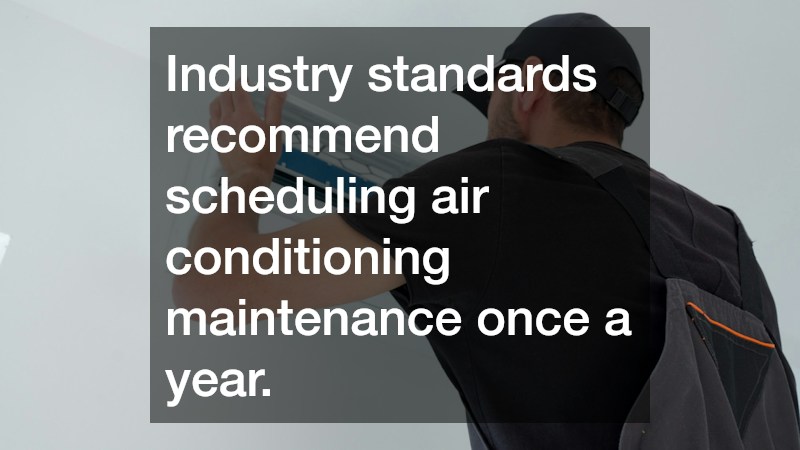
HVAC industry standards recommend scheduling dedicated air conditioning maintenance once a year in early spring prior to peak summer usage. Consistent seasonal maintenance is a crucial preventative strategy for maintaining peak air conditioning performance, indoor comfort, and operational reliability. Investing in routine professional tune-ups prevents costly emergency repairs, lowers energy bills, protects indoor air quality, and preserves your cooling infrastructure for decades to come.