
If your sneezing and congestion seem to fade when you leave the house but flare up the moment you return, you are not imagining it. Many homes quietly trap dust, pet dander, mold spores, and other irritants in places you rarely think to check. The longer you stay inside, especially during high pollen seasons or extreme weather, the more these particles recirculate through your living space. Understanding where these triggers hide and how your home systems contribute is the first step toward breathing easier without giving up the comfort of staying home.
Stagnant Indoor Air Circulation Problems
When windows stay closed for days or weeks at a time, indoor air has nowhere to go, so allergens like dust mite debris and pet hair keep circulating instead of dispersing outdoors. This is especially noticeable in tightly sealed, energy-efficient homes that trap pollutants alongside the heat or cool air you are trying to conserve. Without a steady exchange of fresh air, particles settle on furniture, bedding, and carpets, only to become airborne again every time someone walks by or a vent kicks on.
The fix often starts with your ventilation setup rather than your cleaning routine. A qualified HVAC company can evaluate whether your home has adequate fresh-air intake or whether you need a mechanical ventilation solution to keep air moving without letting outdoor allergens flood in. If your system is outdated, this is also a good time to discuss AC installations that offer better airflow management alongside improved allergen control.
- Rooms with little airflow tend to collect the most dust and allergens
- Closed-up homes trap cooking odors, pet dander, and chemical fumes indoors
- Poor circulation makes symptoms worse in bedrooms where you spend the most hours
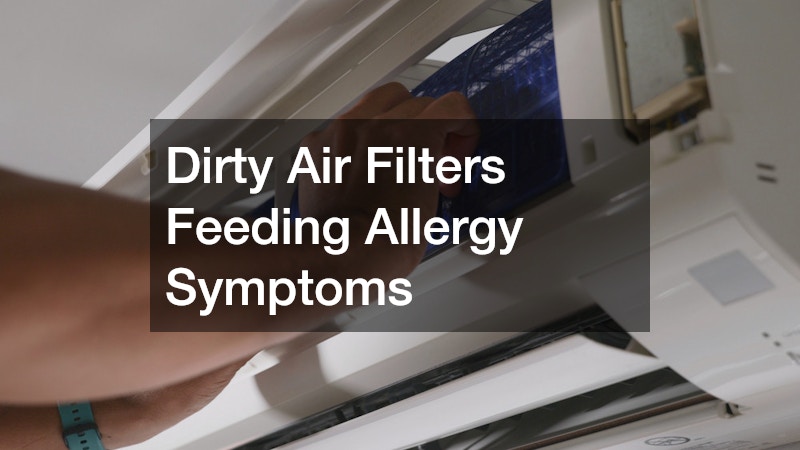
Dirty Air Filters Feeding Allergy Symptoms
Your HVAC system’s air filter is supposed to catch dust, pollen, and dander before they recirculate through your ductwork, but a clogged filter stops doing its job effectively and can even become a breeding ground for mold and bacteria. Filters that are overdue for a change often blow trapped particles right back into your living room instead of trapping them. This is one of the simplest fixes homeowners overlook when trying to figure out why symptoms spike during long stretches at home.
Choosing the right filter rating matters just as much as changing it on schedule. A higher MERV rating captures smaller particles, but going too high without the right equipment can strain your system and reduce airflow.
- Check filters monthly during high pollen seasons
- Replace standard filters every 60 to 90 days, or sooner with pets in the home
- Look for filters rated for allergens without overloading your system’s blower motor
Hidden Mold Growth in Humid Corners
Bathrooms, basements, and areas around water heaters are prime spots for mold to develop, especially if humidity levels stay above 50 percent for extended periods. Mold spores are a common and often underestimated allergy trigger that gets worse the longer stagnant, moist air lingers in these spaces. Many homeowners do not realize their allergy flare-ups are tied to a slow leak or condensation buildup happening out of sight.
Regularly inspecting areas around plumbing fixtures and appliances can catch moisture problems before mold takes hold. Pay close attention to the area surrounding your water heaters, since even minor leaks there can create the damp conditions mold needs to thrive undetected for months.
- Check under sinks and around appliances for musty odors
- Keep bathroom exhaust fans running during and after showers
- Inspect basement corners and crawl spaces seasonally for damp spots
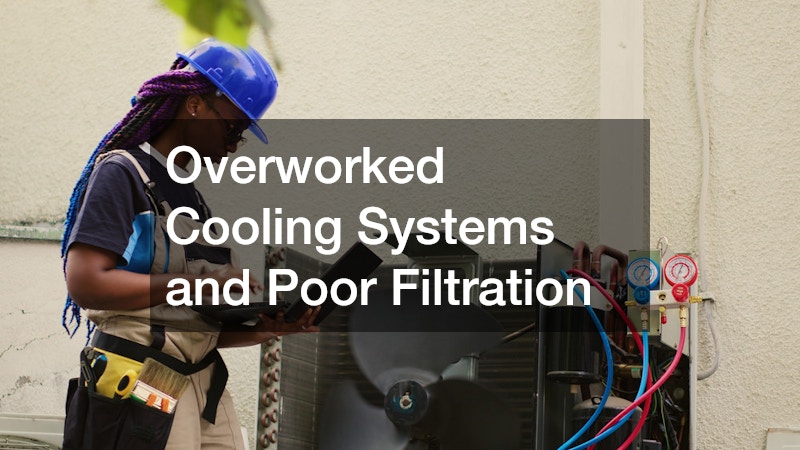
Overworked Cooling Systems and Poor Filtration
During hot months, your air conditioning system runs almost constantly, and that means more air is being pulled through your ducts and filters than usual. If that system is not maintained properly, it can end up spreading allergens rather than filtering them out. A unit that is low on refrigerant or has a dirty coil struggles to dehumidify effectively, which allows humidity and mold-friendly conditions to build indoors.
Scheduling a checkup before allergy season peaks can make a noticeable difference in indoor air quality. If your system has been making unusual noises or not cooling evenly, it may be time to call for air conditioner repair before small issues turn into bigger comfort and health problems.
- Warm, humid rooms encourage dust mites and mold spores
- Uneven cooling often signals airflow or duct blockages
- A properly running system helps regulate both temperature and humidity
Ductwork Leaks That Spread Dust and Debris
Ducts hidden behind walls and above ceilings are easy to forget about, but leaks or gaps in this network can pull dusty, allergen-laden air from attics and crawl spaces directly into your living areas. Over time, loose duct joints accumulate a surprising amount of debris that gets blown into every room the system serves. This is a common reason people notice worse symptoms in specific parts of the house rather than throughout the whole home.
A visual inspection can reveal obvious separations, but sealing and balancing ductwork properly usually requires professional tools and pressure testing equipment. If you suspect duct issues are behind your allergy struggles, working with an experienced HVAC contractor can help pinpoint leaks that are otherwise impossible to see or reach on your own.
- Look for visible dust streaks near vents or duct seams
- Rooms far from the main unit often show worse symptoms if ducts are leaking
- Sealing ducts also improves energy efficiency alongside air quality
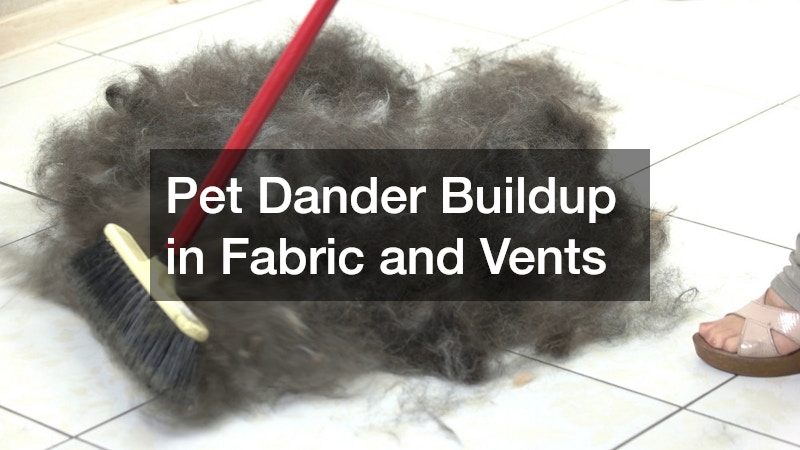
Pet Dander Buildup in Fabric and Vents
Pets shed dander constantly, and it does not just settle on the floor, it works its way into upholstery, curtains, bedding, and even your return air vents. The longer you stay home surrounded by these fabrics, the more dander gets stirred up and reintroduced into the air you breathe. Vacuuming alone often is not enough if dander has settled deep inside vent covers and ductwork.
Regular vacuuming with a HEPA filter vacuum, combined with washing removable fabric covers, can meaningfully reduce the dander load in shared spaces. Pay special attention to the areas immediately around air vents, since dander tends to accumulate there and gets redistributed every time the system cycles on.
- Wash pet bedding weekly in hot water when possible
- Keep pets out of bedrooms if allergy symptoms are severe
- Vacuum upholstered furniture at least twice a week during flare-ups
Seasonal Furnace Startup and Dust Release
When you first turn on your heating system after months of disuse, it often pushes a cloud of accumulated dust through the vents and into your rooms. This seasonal dust release is a well-known trigger for allergy sufferers, especially in the fall when furnaces kick on for the first time. The dust settled inside the unit and ductwork over the summer gets aerosolized the moment the blower starts running again.
Having your system checked before the cold season begins can reduce this seasonal spike in symptoms significantly. Reputable heating contractors recommend a pre-season cleaning and inspection specifically to clear out dust and debris before it becomes airborne throughout your home.
- Run the furnace briefly with windows open the first time each season
- Change filters right before heating season starts
- Vacuum around vents and returns before turning the heat on
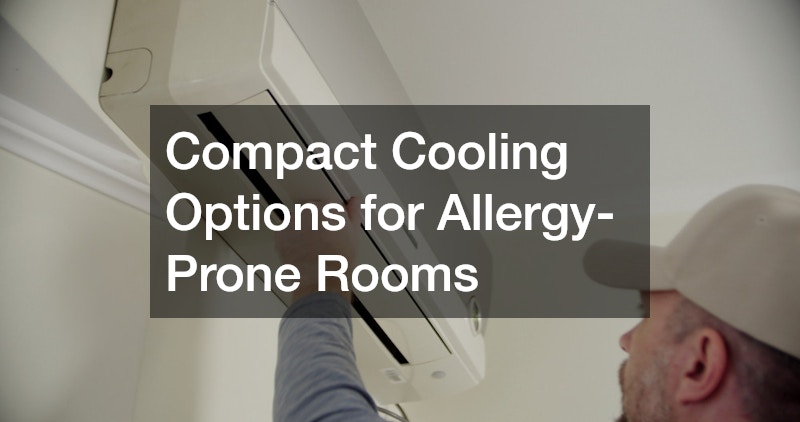
Compact Cooling Options for Allergy-Prone Rooms
If certain rooms in your home consistently trigger worse allergy symptoms, it might be worth considering a targeted cooling and filtration solution rather than relying solely on your whole-home system. A mini split system can provide localized temperature control along with its own filtration, which is especially helpful for bedrooms or home offices where allergy sufferers spend concentrated time. Because these units operate independently of your central ductwork, they cool and filter the air in that specific room without pulling dust, pet dander, or pollen from other parts of the house through shared vents.
Many mini split systems use multi-stage filters that capture particles as small as 0.3 microns, which is fine enough to trap common allergens like mold spores and dust mite debris. Some models also include washable filters that can be rinsed monthly, giving allergy sufferers more control over air quality without waiting on a technician. Look for units with a MERV rating of 13 or higher if allergies are a primary concern, since this range is typically effective against airborne allergens without restricting airflow too much.
These systems also reduce strain on ductwork that might otherwise be spreading allergens throughout the house. Older duct systems in particular can harbor years of accumulated dust and mold, and running a whole-home system constantly through them may simply recirculate what’s already trapped inside. Installing a mini split in just one or two problem rooms lets you bypass that pathway entirely while still keeping the rest of your HVAC system intact for the remaining living space.
Because mini splits do not rely on the same duct network as your central system, they can be a smart option for people whose symptoms are tied to specific rooms rather than the whole house. A bedroom that collects dust, a home office near a musty basement, or a sunroom prone to humidity can each get their own dedicated unit instead of sharing air with the rest of the house.
Most ductless mini split systems include multi-stage filtration, and some models add HEPA or electrostatic filters that trap particles as small as 0.3 microns, which covers common triggers like pet dander, pollen, and mold spores. Because there is no ductwork, there is also no long network of hidden surfaces where dust and debris can accumulate between cleanings. Many units are rated to filter the air in a 300 to 400 square foot room several times per hour, which is often enough to noticeably reduce allergen buildup in that space.
This makes them worth discussing if you have already ruled out other causes and still notice problems concentrated in one or two areas. Before installing one, consider the room’s square footage, existing insulation, and how often the filters will need cleaning, since neglected filters can undo much of the benefit. It is also worth asking an installer about placement, since mounting the unit away from doorways and airflow paths helps it capture allergens more effectively.
- Ideal for allergy sufferers who need a dedicated clean-air zone, such as a bedroom or home office where symptoms flare up most
- Ductless mini-split systems and window units with HEPA filters can trap particles as small as 0.3 microns, far smaller than what standard central air filters catch
- Reduces dependence on potentially leaky or dusty ductwork, which can harbor mold, pet dander, and years of accumulated debris
- Offers independent filtration separate from the main system, so one allergy-prone room gets cleaner air without overhauling the whole HVAC setup
- Portable air conditioners and mini-splits typically cool 150-400 square feet, making them a practical fit for a single bedroom or nursery
- Look for units with washable or replaceable filters rated MERV 13 or higher for better allergen capture
When to Call a Professional for an Inspection
Not every allergy trigger is something you can identify or fix on your own, and there comes a point where a professional inspection saves both time and discomfort. If you have changed filters, cleaned vents, and addressed obvious moisture issues but symptoms persist, it is worth having your entire system evaluated. Many issues, from hidden leaks to failing components, only become obvious with the right diagnostic tools.
Timing matters too, since waiting until a full breakdown happens often means more extensive and costly HVAC repairs later on. Booking a seasonal checkup with a trusted AC repair company before symptoms peak can help you stay ahead of both comfort and health issues throughout the year.
- Persistent musty odors despite cleaning efforts
- Uneven temperatures or humidity between rooms
- Visible mold, dust buildup, or duct discoloration around vents
Your home should be a place of relief from allergens, not a source of them, and small overlooked issues in your HVAC system are often the real culprit behind symptoms that worsen the longer you stay inside. Start with the basics like filter changes and moisture checks, then consider a professional inspection if problems persist despite your best efforts. Addressing these root causes not only improves your comfort but protects your health for every season ahead.