
Building a new home is an opportunity to design comfort, efficiency, and reliability into every system from the very beginning. Few systems have as much long-term impact on daily living as heating, ventilation, and air conditioning. HVAC decisions influence indoor comfort, monthly energy costs, air quality, and even how well your home ages over time. When these decisions are made too late or without coordination, homeowners often face costly corrections and ongoing performance issues.
This guide walks through crucial HVAC considerations for before, during, and after building a house. Each phase presents unique opportunities to optimize system design, prevent common problems, and ensure your home performs as intended for decades to come.
Start With Accurate Property and Layout Data

Before HVAC planning can begin in earnest, the physical realities of the property must be clearly understood. Accurate dimensions, elevations, and boundaries influence where equipment can be placed and how air can be distributed throughout the home. Early coordination with land surveying professionals helps eliminate guesswork and reduces the risk of conflicts later in construction. This step also ensures that HVAC design aligns with the architect’s layout and the builder’s structural plans, reducing the likelihood of last-minute compromises.
Key benefits of starting with precise property data include:
-
Proper placement of outdoor units to maintain clearance, airflow, and accessibility
-
Accurate planning for duct runs that avoid structural obstacles
-
Alignment of mechanical layouts with setbacks and zoning requirements
Land surveying also plays a role in understanding slope and drainage patterns, which affect condensate management and equipment longevity. These insights help HVAC designers plan for gravity-assisted drainage and safe equipment positioning. Without this data, HVAC designs may need to be revised mid-build, leading to delays, added labor, and unnecessary costs.
Prepare the Lot With Mechanical Systems in Mind
Once the property layout is confirmed, preparation of the lot should account for future HVAC needs. Decisions made during site preparation can either simplify installation or create long-term challenges that are difficult to correct after construction is complete. Taking a proactive approach at this stage helps ensure that mechanical systems are not treated as an afterthought once structural work begins.
Thoughtful site work planning ensures that HVAC components have stable foundations, proper drainage, and sufficient access for installation and service. For example, uneven grading or poorly planned utility trenches can complicate refrigerant line routing and condensate drainage, increasing labor time and the risk of performance issues. Planning ahead also helps prevent situations where landscaping or hardscaping restricts airflow to outdoor equipment, which can reduce efficiency and strain components.
Coordination between builders, mechanical designers, and site crews at this stage helps avoid compromises that reduce efficiency or shorten equipment lifespan. Clear communication also minimizes rework and keeps construction timelines on track.
Design the Building Envelope for Thermal Efficiency
The effectiveness of any HVAC system is directly tied to how well the home retains conditioned air. Insulation quality, placement, and coverage determine how hard heating and cooling equipment must work to maintain comfort. A well-designed building envelope creates a stable indoor environment, reducing temperature swings and helping HVAC systems operate more consistently throughout the year.
Working closely with insulation suppliers allows builders to select materials that align with the home’s design, climate zone, and performance goals. These professionals can also advise on insulation types best suited for specific areas of the home, such as spray foam for air sealing or batt insulation for framed cavities. Key considerations include:
-
Matching insulation R-values to local climate requirements
-
Ensuring consistent coverage in walls, attics, and floors
-
Sealing gaps and penetrations that allow air leakage
A well-insulated home allows HVAC systems to be properly sized instead of oversized. This improves comfort, reduces energy consumption, and minimizes wear on components over time while supporting long-term system reliability.
Select Windows That Support HVAC Performance
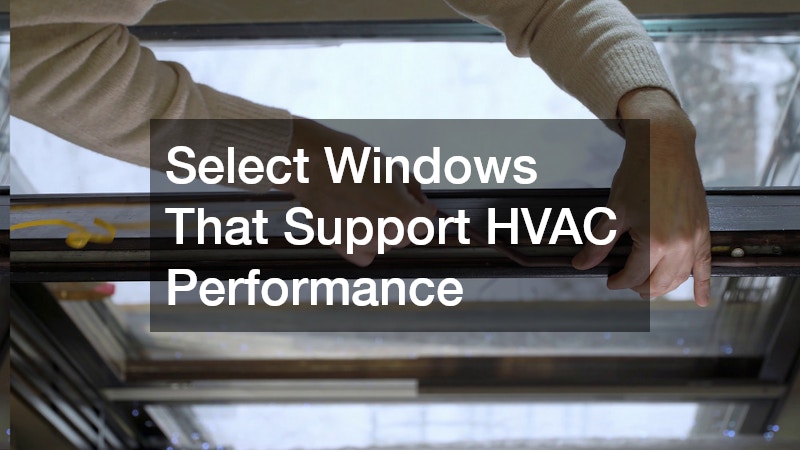
Windows are one of the most influential factors in a home’s heating and cooling demands. Their size, placement, and performance ratings affect solar heat gain, heat loss, and indoor temperature consistency. In addition to influencing energy efficiency, windows also play a role in occupant comfort, natural lighting, and noise reduction, making them a critical consideration in the overall home design.
Decisions around window replacement, even in new construction, should be finalized before HVAC equipment is selected. High-performance windows can significantly reduce the required capacity of heating and cooling systems by limiting unwanted heat transfer. Conversely, poorly chosen windows can force systems to work harder to compensate for drafts, heat gain, or heat loss, which increases energy consumption and shortens equipment lifespan.
Coordinating window specifications with HVAC design helps ensure balanced airflow, fewer hot or cold spots, and improved overall comfort throughout the home. Additionally, this coordination allows for the strategic placement of windows to complement natural ventilation, further reducing reliance on mechanical cooling and heating systems.
Coordinate Roofing Details With Ventilation Needs
The roof structure plays a major role in how heat and moisture move through a home. Attic ventilation, exhaust routing, and equipment clearances must all be considered during roof installation to avoid conflicts later. A poorly planned roof can trap heat, restrict airflow, and increase strain on HVAC systems, leading to higher energy bills and reduced equipment longevity. Proper coordination during this stage ensures the home remains comfortable and efficient year-round.
Key roofing and ventilation considerations include:
-
Proper placement of intake and exhaust vents to promote airflow
-
Adequate clearance for ductwork and exhaust lines
-
Preventing heat buildup that increases cooling demand
When roofing and HVAC teams coordinate early, they can prevent issues such as blocked vents, condensation problems, or inefficient attic conditions that compromise system performance. This collaboration also allows for integration of features like ridge vents, soffit vents, and roof-mounted exhaust fans, which can enhance natural ventilation. By addressing these factors during installation, homeowners gain a more consistent indoor temperature, reduced energy consumption, and improved protection for mechanical components against excessive heat and moisture.
Plan for Moisture Control Around Mechanical Areas
Moisture is one of the most common threats to HVAC performance and durability. Condensation, groundwater intrusion, and high indoor humidity can damage equipment, reduce efficiency, and contribute to mold growth or other indoor air quality issues. Even small amounts of persistent moisture can corrode metal components, warp ductwork, and shorten the lifespan of sensitive controls and electrical systems.
Integrating a waterproofing service into the construction plan helps protect basements, crawl spaces, and mechanical rooms where HVAC components are often located. This includes sealing foundations, managing drainage, and addressing vapor barriers before equipment is installed. Additional measures, such as properly sloped floors, sump pumps, and sealed penetrations, further safeguard mechanical areas from water intrusion.
Proper moisture control reduces the risk of corrosion, mold growth, and premature system failure. It also creates a more stable environment for sensitive mechanical components, helping them operate at peak efficiency. In addition, effective moisture management supports overall indoor air quality, making the home safer and more comfortable for occupants while reducing long-term maintenance costs.
Choose Equipment That Matches Residential Demands
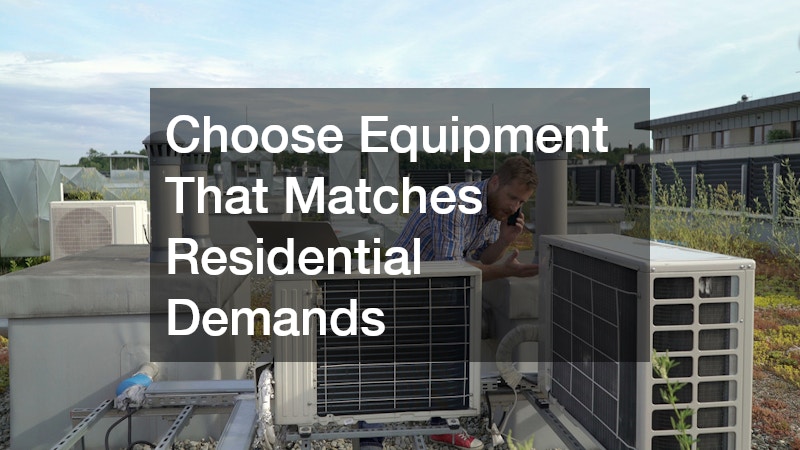
Selecting HVAC equipment is not simply about choosing the most powerful option available. The goal is to match system capacity and features to the home’s actual needs, ensuring comfort, efficiency, and long-term reliability. In larger or custom-built homes, certain components may resemble industrial equipment in size or capability, but they must still be appropriate for residential use. Choosing the wrong type of equipment can lead to unnecessary energy consumption, increased wear on components, and higher maintenance costs over time.
Important factors to evaluate include:
-
System capacity relative to calculated heating and cooling loads
-
Noise levels and placement considerations
-
Compatibility with zoning and smart controls
Oversized systems can cycle on and off too frequently, reducing efficiency and comfort, while undersized systems may struggle to maintain consistent temperatures during peak conditions. Properly selected equipment delivers consistent performance while minimizing operating costs. Additionally, considering features such as variable-speed compressors, energy-efficient motors, and advanced filtration can further optimize comfort, reduce energy usage, and extend the lifespan of the system. Proper planning ensures that the HVAC system complements the home’s design and the family’s lifestyle without unnecessary compromise.
Work Closely With Qualified HVAC Professionals
The expertise of the professionals installing your system can be just as important as the equipment itself. A knowledgeable AC contractor understands how to coordinate with other trades, follow design specifications, and adapt to on-site conditions without compromising performance. Their early involvement can prevent costly mistakes, improve system efficiency, and ensure that your HVAC installation integrates smoothly with the home’s overall design. Bringing in qualified professionals from the start allows for better planning, fewer delays, and a more reliable, long-lasting system.
Early involvement allows HVAC professionals to review the building plans for potential conflicts or inefficiencies, ensuring that all mechanical and structural elements align correctly. They can also coordinate installation timelines with framing, electrical, and plumbing work so that the HVAC system is installed efficiently without delaying other trades. Additionally, they ensure that ductwork and equipment placement match the design intent, optimizing airflow, performance, and accessibility for future maintenance.
Clear communication and thorough documentation throughout the build help guarantee that the system is installed correctly the first time and performs as expected once the home is occupied. Working closely with skilled HVAC professionals also provides homeowners with guidance on energy-saving strategies, proper system maintenance, and potential upgrades, making the investment in a quality HVAC system a long-term asset for comfort, efficiency, and durability.
Verify Installation Quality Before Walls Are Closed
Before insulation and drywall conceal HVAC components, it is critical to verify that installation meets design and performance standards. Conducting thorough inspections at this stage helps identify issues such as improperly sealed ducts, misaligned equipment, or inadequate clearances that could compromise system performance and efficiency. Catching these problems early prevents costly repairs, delays, and potential rework after construction progresses.
Home inspection companies often evaluate:
-
Duct sealing and support, ensuring there are no leaks or sagging that could reduce airflow or efficiency.
-
Proper equipment installation and clearances, verifying that all units are correctly positioned and accessible for future maintenance.
-
Compliance with building codes and design specifications, confirming that the system meets regulatory requirements and design intent.
Addressing feedback before walls are closed protects both comfort and long-term efficiency. It also provides peace of mind that the system has been installed to professional standards. Additionally, these inspections can highlight opportunities to optimize system performance, such as balancing airflow, adjusting vent placement, or identifying areas where insulation and ductwork integration can be improved, ensuring that the HVAC system operates at peak efficiency from the start.
Protect System Performance After Move-In
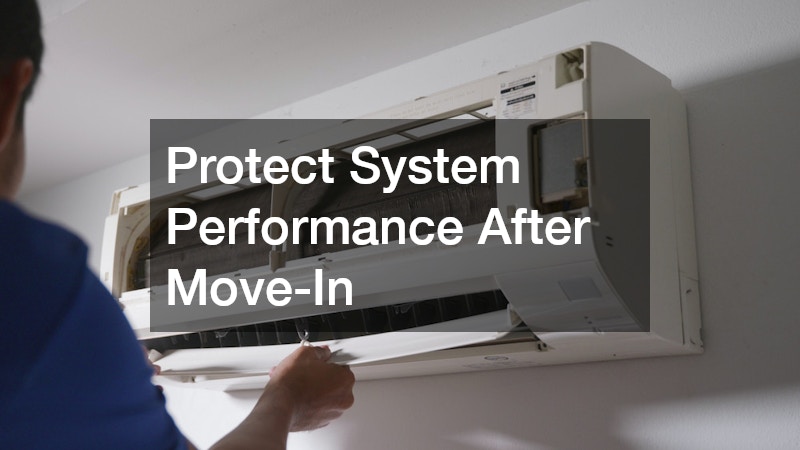
Once construction is complete and the home is occupied, ongoing care becomes the priority. Maintaining HVAC systems proactively ensures long-term efficiency, reliability, and comfort. Regular inspections, filter changes, and seasonal tune-ups help prevent minor issues from becoming major problems and allow the system to operate at peak performance.
HVAC systems also benefit from timely attention to related household systems. Routine appliance repairs, for example, can indirectly support HVAC performance by preventing electrical faults, blocked airflow, or excessive humidity that place additional strain on heating and cooling equipment. Homeowners should establish service schedules, understand warranty requirements, and track system performance, noting any unusual noises, temperature inconsistencies, or spikes in energy use.
Being proactive after move-in also includes educating household members on proper thermostat use, zoning controls, and energy-saving habits, which can reduce unnecessary wear on the system. Homeowners who take these steps are far more likely to enjoy consistent comfort, improved indoor air quality, and lower operating costs throughout the life of their HVAC system, while protecting their long-term investment in home comfort.
A successful HVAC system does not happen by accident. It is the result of careful planning, coordination, and follow-through at every stage of home construction. From early property analysis to long-term maintenance, each decision influences comfort, efficiency, and reliability.
By considering HVAC needs before, during, and after building a house, homeowners can avoid common pitfalls and protect one of their most important investments. Thoughtful planning today leads to a more comfortable, efficient, and resilient home for years to come.