
Maintaining a comfortable home throughout the year requires more than adjusting the thermostat when temperatures change. Heating and cooling systems work alongside ventilation, insulation, and other household components to create a consistent indoor environment. When these systems are properly installed and maintained, they can provide dependable comfort while helping homeowners manage energy consumption and avoid unnecessary repairs.
However, HVAC equipment experiences wear over time. Filters become clogged, mechanical components deteriorate, and older systems may struggle to meet a household’s changing needs. Small problems can gradually develop into larger issues, particularly when routine maintenance is overlooked. Homeowners who understand the warning signs and take a proactive approach can make more informed decisions about repairs, upgrades, and eventual replacement.
The right strategy depends on the home’s size, equipment age, climate, and existing infrastructure. Some properties benefit from relatively simple maintenance, while others require extensive repairs or updated heating and cooling equipment. Water heaters and related household systems also deserve attention because they contribute to everyday comfort and convenience.
By evaluating equipment regularly, working with qualified professionals, and planning improvements before emergencies occur, homeowners can create a more reliable indoor environment. The following considerations can help households maintain comfort while protecting their investments in essential mechanical systems.
Choose Experienced HVAC Companies for Your Home’s Needs

Selecting the right professionals is an important part of maintaining a dependable heating and cooling system. HVAC equipment involves electrical components, refrigerant circuits, airflow, ventilation, and mechanical systems that require specialized knowledge. Improper repairs or installation can create performance problems even when the equipment itself is relatively new.
Professional HVAC companies can provide inspections, maintenance, repairs, and installation services based on the type of equipment installed. Homeowners should compare providers by reviewing their qualifications, relevant experience, licensing where required, and the services they offer. Written estimates can also help clarify the proposed work before a project begins.
Communication matters when choosing a contractor. A qualified professional should be able to explain what is causing a problem, what repairs are recommended, and whether replacement is worth considering. Homeowners should understand the difference between necessary work and optional improvements before making a significant investment.
Establishing a relationship with a dependable service provider can also make future maintenance easier. A contractor familiar with the home’s equipment and service history may have useful context when investigating recurring problems. Keeping records of inspections, repairs, and installation dates can further support informed decisions about long-term HVAC care.
Maintain Your Heating System Before Cold Weather Arrives
A reliable heating system is essential during colder months, particularly in regions where winter temperatures regularly fall below freezing. Furnaces, heat pumps, boilers, and other equipment must operate consistently to maintain comfortable indoor temperatures. Waiting until the first extremely cold day to investigate performance problems can create unnecessary inconvenience.
Routine heating maintenance helps homeowners prepare their equipment for increased seasonal demand. The appropriate tasks depend on the system, but professional inspections may include evaluating electrical connections, safety controls, airflow, burners, heat exchangers, or other relevant components. Homeowners should follow manufacturer recommendations for filter maintenance and other permitted upkeep.
Changes in performance deserve attention. Unusual noises, inconsistent temperatures, frequent cycling, or unexpected increases in energy consumption can indicate that the system requires evaluation. Some symptoms may result from relatively minor issues, while others involve components that need professional repair.
The home’s insulation and air sealing also influence heating performance. Even properly functioning equipment can struggle to maintain comfortable temperatures when conditioned air escapes through significant gaps or poorly insulated areas. Addressing these concerns alongside equipment maintenance can improve overall comfort.
Preparing early gives homeowners time to schedule inspections and resolve problems before winter conditions place greater demands on the system.
Work With an Air Conditioning Contractor to Improve Summer Comfort
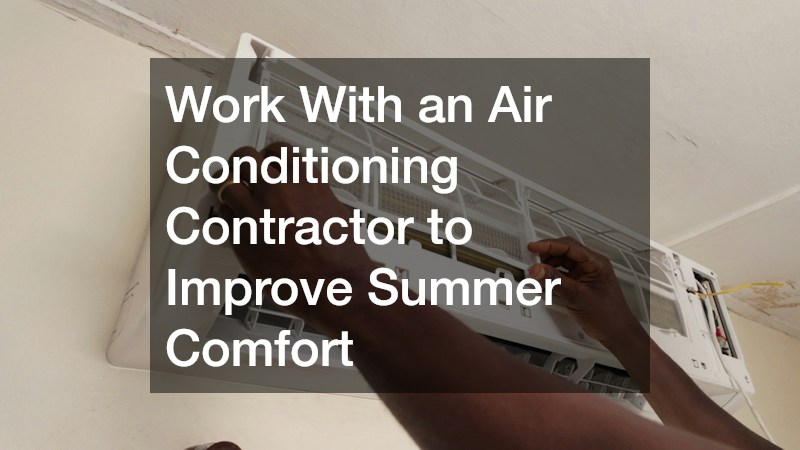
Hot weather can place substantial demands on residential cooling equipment. Air conditioners may operate for extended periods during summer, making efficiency and reliability particularly important. When equipment struggles to maintain the desired temperature, homeowners may experience uncomfortable rooms, excessive humidity, or increased electricity consumption.
A professional air conditioning contractor can evaluate the cooling system and identify conditions that interfere with normal performance. Potential concerns include restricted airflow, dirty components, refrigerant-related problems, electrical issues, or equipment that is not properly matched to the home’s cooling requirements.
Homeowners should also consider how the house itself affects indoor temperatures. Direct sunlight, inadequate insulation, air leakage, and poorly performing windows can increase cooling demand. Improving these conditions may help the air conditioner maintain more consistent temperatures without unnecessary operation.
Thermostat settings can influence comfort and efficiency as well. Consistent, reasonable settings are generally more practical than repeatedly making dramatic adjustments in response to changing temperatures. Programmable or smart controls may provide additional convenience for households with predictable schedules.
A professional assessment can help distinguish between equipment problems and broader building-performance concerns. Understanding the source of poor cooling allows homeowners to make improvements that address the actual issue rather than relying on temporary adjustments.
Schedule Regular AC Services to Prevent Unexpected Problems
Air conditioning maintenance is easy to overlook when equipment appears to be operating normally. However, gradual deterioration can affect performance before the system stops working entirely. Routine attention provides an opportunity to identify developing problems while the equipment is still functional.
Professional ac services can include inspections, cleaning, adjustments, and repairs appropriate for the specific system. Technicians may examine electrical components, condensate drainage, airflow, coils, and other parts that influence cooling performance. The exact maintenance requirements depend on the equipment and its condition.
Homeowners can support these efforts by keeping outdoor units clear of excessive vegetation and debris, maintaining filters according to recommendations, and avoiding obstructions around indoor vents. These habits can help maintain airflow and reduce preventable operating difficulties.
Condensate drainage deserves attention because cooling systems remove moisture from indoor air. Drainage problems can sometimes lead to water accumulation or damage near equipment. Unusual moisture should be investigated rather than ignored.
Maintenance records are also useful. Documenting service dates and previous repairs can reveal recurring concerns and help homeowners understand how the equipment is aging. Scheduling maintenance before peak cooling season may provide additional flexibility if repairs are necessary.
Plan HVAC Installation Around Your Home’s Requirements
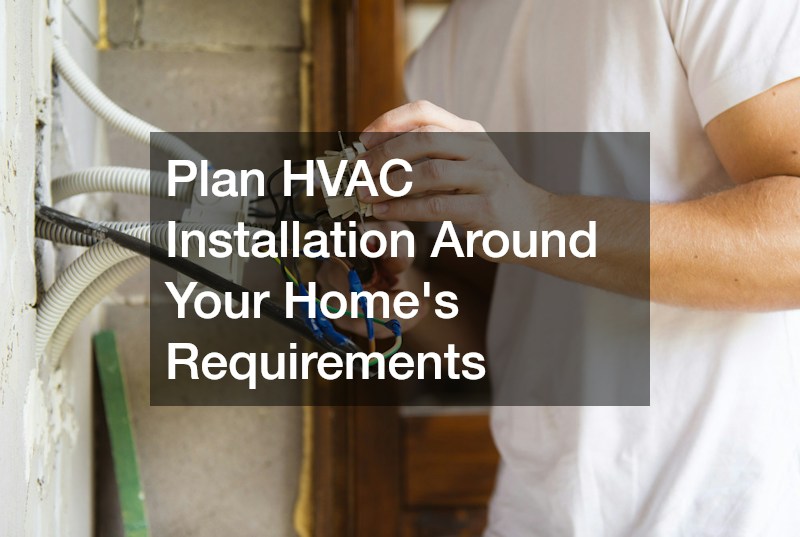
Installing new heating and cooling equipment is a significant investment, making careful planning essential. Homeowners may consider replacement when existing equipment becomes unreliable, repairs grow increasingly expensive, or major renovations change the home’s heating and cooling needs.
Professional hvac installation should begin with an evaluation of the property rather than simply replacing old equipment with a unit of similar size. Square footage, insulation, windows, air leakage, climate, ductwork, and other factors influence the heating and cooling loads of a house. Equipment that is too large or too small can create performance and comfort problems.
The condition of existing ductwork should also be considered. Leaky, poorly sized, or obstructed ducts can interfere with airflow even when the heating and cooling equipment is operating correctly. Some projects may require modifications to achieve appropriate distribution throughout the home.
Homeowners should compare equipment options based on efficiency, reliability, maintenance requirements, installation costs, and compatibility with the property. Warranty coverage and the availability of future service are additional considerations.
A properly planned installation creates a foundation for dependable performance. Homeowners should also understand recommended maintenance procedures and thermostat operation before the project is complete so they can use the new system effectively.
Recognize When Your Air Conditioning System Needs Professional Service
Cooling problems do not always begin with a complete system failure. Many air conditioners continue running while gradually delivering less effective performance. Recognizing early symptoms can help homeowners arrange repairs before indoor comfort is significantly affected.
Professional air conditioning service can address concerns such as weak airflow, inconsistent cooling, unusual noises, frequent cycling, or unexplained water accumulation. Homeowners should pay attention to changes from normal operation, particularly when the equipment previously maintained comfortable temperatures without difficulty.
Warm air coming from vents may indicate several different problems, including thermostat settings, airflow restrictions, or mechanical issues. Similarly, an air conditioner that runs continuously may be responding to extreme outdoor temperatures, excessive heat entering the home, or an equipment problem. A professional evaluation can help determine the cause.
Strange odors also deserve attention. Some may result from accumulated dust or moisture, while others could indicate conditions requiring prompt investigation. Burning smells or signs of electrical trouble should be treated as potential safety concerns.
Homeowners should avoid repeatedly resetting malfunctioning equipment without understanding why the problem occurs. Temporary operation does not necessarily mean the underlying issue has been corrected. Addressing symptoms early can reduce disruption and help preserve the condition of surrounding components.
Address Heating Problems With Timely Professional Repairs
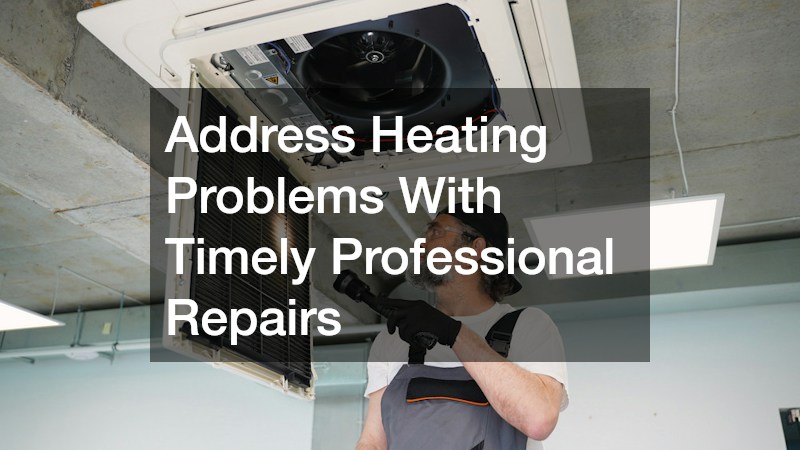
Heating problems can become particularly disruptive during winter, when maintaining indoor temperatures is important for both comfort and the protection of the home. A malfunctioning system may leave certain rooms cold, operate inconsistently, or stop producing adequate heat.
Professional heating repair services can investigate the cause and determine what work is appropriate. Depending on the equipment, problems may involve electrical controls, ignition components, airflow, circulation, sensors, or other mechanical systems. Because heating equipment can involve electricity, combustion, or pressurized components, repairs should be performed by qualified professionals.
Homeowners should describe symptoms as accurately as possible when requesting service. Information about unusual noises, thermostat behavior, recent maintenance, and when the problem first appeared can help technicians understand the situation.
Safety is especially important with fuel-burning heating systems. Carbon monoxide alarms should be installed and maintained according to applicable guidance, and suspected gas leaks require immediate attention through appropriate emergency procedures.
Repair decisions should also consider equipment age and overall condition. A relatively minor problem on a well-maintained system may be straightforward to correct, while repeated failures involving aging equipment can justify discussing replacement options.
Prompt repairs help restore comfort while providing an opportunity to evaluate whether additional maintenance could improve reliability during the remainder of the heating season.
Keep Hot Water Reliable With Proper Water Heater Maintenance
Although water heaters are separate from many HVAC systems, they play an equally important role in household comfort. Hot water is needed for bathing, cleaning, laundry, dishwashing, and other everyday activities. Problems with water heating equipment can quickly disrupt several routines at once.
Professional water heater services can help homeowners maintain, repair, or replace equipment depending on its condition. Conventional storage-tank systems and tankless water heaters have different maintenance requirements, making it important to follow guidance appropriate for the installed model.
Warning signs can include inconsistent water temperatures, unusual noises, leaks, discolored water, or a reduced supply of hot water. Some symptoms may involve the heater itself, while others can originate elsewhere in the plumbing system.
Homeowners should periodically inspect accessible areas around the equipment for signs of moisture or corrosion without opening or adjusting components that require professional service. Leaks deserve prompt attention because water can damage surrounding floors, walls, and stored belongings.
When replacement becomes necessary, household size, hot water demand, available energy sources, efficiency, and installation requirements should influence equipment selection. Choosing a system suited to actual usage can help provide dependable performance without unnecessary capacity or expense.
Schedule Local Heating Repairs Before Minor Problems Become Emergencies
Heating equipment often provides warning signs before a complete breakdown. A system may begin making unfamiliar sounds, producing uneven temperatures, or operating for longer periods than usual. These changes can be easy to dismiss, particularly when the house still feels reasonably comfortable.
Arranging local heating repairs when symptoms first appear gives homeowners an opportunity to identify problems before they become more disruptive. A professional can evaluate the equipment and determine whether cleaning, adjustments, component replacement, or more extensive work is necessary.
Homeowners should avoid assuming that every performance issue requires a new heating system. Problems with thermostats, filters, airflow, or individual components can sometimes be corrected without replacing the entire unit. However, recurring repairs on older equipment may eventually change the financial calculation.
Seasonal timing matters as well. Scheduling an inspection during milder weather can provide more flexibility than waiting until a severe cold spell creates urgent demand for service.
Maintenance history can help guide decisions. Homeowners who keep records of repair costs, equipment age, and recurring symptoms are better positioned to compare continued maintenance with replacement.
Taking early action also supports household planning. Addressing heating problems before they interrupt daily life can reduce inconvenience and make it easier to budget for necessary work.
Choose Reliable Heating Supplies and Replacement Components
Heating systems depend on numerous components working together. Filters, thermostats, controls, motors, valves, and other parts may require maintenance or replacement during the equipment’s service life. Using appropriate components is important for maintaining reliable performance.
A professional heating supply provider can help qualified contractors obtain parts and materials compatible with specific equipment. Homeowners should understand that components are not necessarily interchangeable simply because they appear similar. Compatibility, manufacturer specifications, and installation requirements all matter.
Routine replacement items, such as certain air filters, may be appropriate for homeowners to handle according to equipment instructions. More complex electrical, combustion, or mechanical components generally require professional installation and evaluation.
When repairs are recommended, homeowners can ask what component has failed, why replacement is necessary, and whether the proposed part is appropriate for the existing system. Understanding the repair can help them make informed decisions without attempting work beyond their experience.
Availability of replacement parts can also influence decisions about older equipment. If important components become difficult to obtain, homeowners may need to consider how practical continued repairs will be.
Maintaining a heating system with appropriate materials and qualified service helps support its reliability while reducing the likelihood of problems caused by unsuitable replacement components.
Keeping a home comfortable throughout the year requires a combination of reliable equipment, consistent maintenance, and timely professional attention. Heating and cooling systems are complex, and their performance depends on more than the condition of one component. Airflow, insulation, electrical infrastructure, thermostat controls, and the building itself can all influence indoor temperatures and energy consumption.