
We all want to keep our homes comfortable without spending a small fortune each month. When utility bills spike, it is incredibly easy to point fingers at the extreme weather outside or assume that our climate control systems are simply getting old. While those factors certainly play a role, the reality is often much closer to home. Many of the everyday actions we perform without a second thought are silently draining energy and forcing our systems to work twice as hard as necessary. By identifying these subtle patterns, you can reclaim control over your monthly budget.
Reaching true energy efficiency requires a shift in perspective from viewing home comfort as a passive luxury to treating it as an active system. When you look at how small behaviors stack up over weeks and months, the potential for savings becomes massive. Breaking these hidden habits does not mean you have to suffer through freezing winters or sweltering summers; it just means learning how to run your household smarter. Let us dive into ten common routines that are quietly inflating your expenses and explore how you can easily fix them.
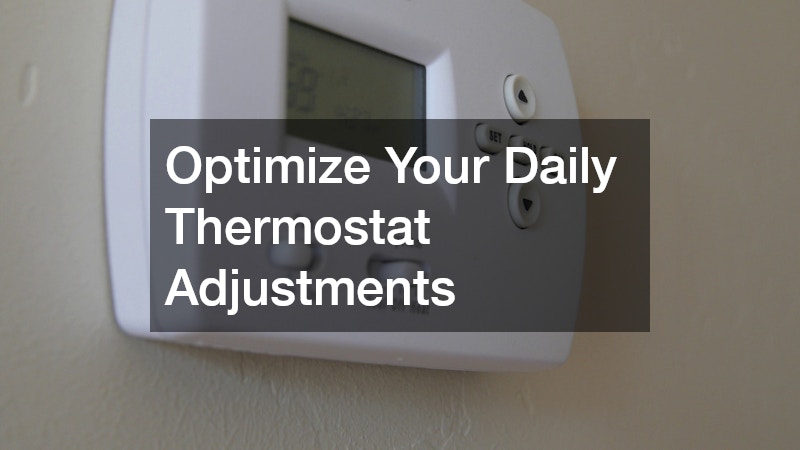
Optimize Your Daily Thermostat Adjustments
One of the most frequent mistakes homeowners make is constantly micro-managing their temperature settings throughout the day. It is a common belief that cranking the thermostat to an extreme temperature will heat or cool the house faster, but residential systems run at the same speed regardless of the target setting. Nudging the dial up and down by five degrees every few hours creates a chaotic workload for your system. This constant cycling consumes a massive amount of starting energy, which rapidly drives up your power bills while putting unnecessary wear and tear on vital components.
To break this costly cycle, try establishing a baseline comfort zone and leaving the system alone for extended blocks of time. If you struggle to maintain a consistent environment during seasonal transitions, it might be time to look for professional AC services to ensure your system is calibrated correctly. Additionally, pairing consistent habits with a reliable heat pump service specialist ensures that your modern, multi-stage equipment is actually utilizing its energy-saving modes rather than constantly kicking into expensive backup heating elements. Consistency is always the absolute secret weapon when it comes to keeping operational costs low.
Manage Interior Doors and Airflow Dynamic
It seems perfectly logical to shut the doors to unused guest rooms, home offices, or storage areas to avoid wasting conditioned air on empty spaces. However, modern residential layouts are meticulously engineered as balanced pressure systems that rely on a continuous loop of supply and return air. When you seal off multiple interior doors, you disrupt this delicate equilibrium, causing the system to pull a vacuum in some rooms while building up excessive pressure in others. This imbalance forces conditioned air out through tiny structural cracks and pulls unfiltered, untreated outdoor air inside through your walls.
-
Keep bedroom doors cracked: Leaving doors open at least two inches allows air to cycle freely back to the main return vents.
-
Clear the pathways around registers: Ensure that low-profile furniture, heavy area rugs, and storage boxes are not blocking floor or wall vents.
-
Monitor your indoor humidity: Restricted airflow can trap moisture in specific zones, making the air feel much heavier and warmer than it actually is.
When pressure imbalances go unaddressed for years, they can cause critical components within your ductwork or air handler to fail prematurely. Homeowners experiencing severe hot or cold spots due to poor airflow often find relief by contacting reputable air conditioning companies to evaluate their duct design. If your system has been struggling under these high-pressure conditions for too long, a quick consultation with a certified HVAC contractor can pinpoint hidden duct leaks that are wasting your money behind the drywall. Keeping your interior air flowing freely ensures every dollar spent on conditioning is fully utilized.
Coordinate Window Coverings for Passive Climate Control
Leaving your windows completely bare throughout the day invites the outdoor elements to dictate your indoor climate. During the summer, direct sunlight streaming through unprotected glass creates a powerful greenhouse effect that superheats your living spaces and forces your air conditioner into overdrive. Conversely, bare glass windows during the frigid winter months act as a direct thermal bridge, allowing precious warmth to radiate outward into the cold night air while chilling the surrounding indoor spaces.
To combat this constant thermal transfer, you must learn to treat your window treatments as an active barrier against the elements. Adjusting your curtains and blinds according to the position of the sun allows you to harness free solar heating in the winter and reject harsh solar radiation during the summer heatwaves. If your current treatments are thin, damaged, or poorly fitted to your window frames, reaching out to a professional window blind company can provide you with heavy-duty cellular shades or thermal draperies designed specifically to block thermal transfer. Making this simple adjustment can dramatically reduce the daily workload placed on your primary climate systems.

Align Your Cooking and Appliance Schedules
Running heavy kitchen and laundry appliances during the hottest peak hours of the day is a recipe for inflated utility bills. Standard ovens, stovetops, dishwashers, and clothes dryers generate an immense amount of ambient heat and humidity inside your home. When you roast a chicken or run consecutive loads of laundry at two o’clock on a scorching July afternoon, your climate control system has to work twice as hard to remove both the outdoor heat and the indoor appliance exhaust simultaneously.
-
Shift your laundry to the late evening: Running dryers after the sun goes down keeps excess heat from fighting your daytime cooling cycles.
-
Embrace outdoor grilling or small appliances: Utilizing air fryers, slow cookers, or outdoor grills keeps cooking heat outside where it belongs.
-
Only run full loads of dishes: This minimizes the number of times your dishwasher releases hot steam into your kitchen environment.
By mindfully scheduling these heat-generating chores for the early morning or late evening hours, you take a massive amount of stress off your equipment. If your system has already spent years battling against these internal heat loads, it might exhibit signs of struggle, such as prolonged cooling cycles or weak airflow. Enlisting the help of trusted local AC companies to perform a comprehensive system refresh can restore lost efficiency. Regular tune-ups from experienced technicians ensure that your system can handle the natural daily temperature swings without driving your wallet into the ground.
Stop Ignoring Low-Profile Maintenance Signs
Waiting until your heating or cooling system completely breaks down before calling for help is one of the most expensive habits a homeowner can develop. Systems rarely fail without warning; instead, they give off subtle hints like faint rattling noises, slightly longer run times, or a slow increase in your monthly energy bills. Ignoring these minor changes allows small, inexpensive issues—like a worn fan belt or a loose electrical connection—to snowball into massive mechanical failures that drag down your entire home’s efficiency.
Investing in preventative care is always more cost-effective than dealing with an emergency system failure in the dead of winter or height of summer. When you notice your furnace struggling to maintain a consistent temperature, scheduling an appointment with a reliable Heating repair service can fix the root issue before it ruins your compressor or heat exchanger. Taking care of these minor adjustments early with the help of professionals who specialize in local heating repairs keeps your system running at its peak factory-rated efficiency. Being proactive ensures you catch energy-draining issues before they reflect on your utility statement.
Modernize Your Sleep Strategies for Better Rest
Many people have the habit of dropping their thermostat down to icy temperatures at night because they simply cannot sleep when they feel overheated. While a cool sleeping environment is medically proven to improve rest quality, forcing your entire central air conditioning system to chill an entire house down to 65 degrees all night is an incredibly expensive habit. You are essentially paying to freeze empty hallways, unoccupied living rooms, and vacant kitchens just so your bedroom feels comfortable enough for sleep.
Instead of relying solely on your central system to create a cool sleeping microclimate, you should focus on personal cooling solutions right in your bed. Switching out heavy, heat-trapping bedding for specialized cooling pillow cases and breathable bamboo sheets can radically alter your personal temperature perception without touching the wall controls. This targeted approach allows you to raise your main thermostat by several degrees at night, which significantly reduces your home’s total overnight energy consumption. Finding ways to cool your body directly rather than cooling thousands of cubic feet of empty space is an easy victory for your monthly budget.
Run Exhaust Fans Mindfully to Keep Air Inside
Bathroom and kitchen exhaust fans are absolutely essential for removing excess moisture and strong cooking odors from your living spaces. However, leaving these powerful fans running for hours after you finish showering or cooking is a massive drain on your indoor climate. These ventilation systems work by rapidly pulling air out of the room and venting it directly outside, which inadvertently creates a negative pressure zone inside your home that sucks untreated outdoor air through every tiny gap around your doors and windows.
A standard exhaust fan can completely empty a house full of conditioned air in an incredibly short amount of time if left unchecked. To prevent this, try installing simple twist timers or automated humidity sensors on your exhaust switches so they shut off automatically after twenty minutes. Being mindful of how long these fans operate ensures you are not paying to condition air only to blow it directly out into the neighborhood. Keeping your indoor air inside where it belongs is an effortless way to keep your bills steady.
Check and Replace Your Air Filters Regularly
One of the most destructive habits in modern home ownership is forgetting to check the air filter every single month. A heavily clogged, dust-cased filter creates an immense amount of resistance against your system’s blower fan, forcing the motor to consume significantly more electricity just to push air through the blockage. This restricted airflow causes your system to run for much longer periods to satisfy the thermostat, which rapidly accelerates component wear while causing your energy bills to skyrocket.
-
Set a monthly smartphone reminder: Check the physical condition of your filter on the exact same day each month without fail.
-
Match your filter to your lifestyle: Homes with multiple long-haired pets or residents with severe allergies will require more frequent filter changes.
-
Avoid overly restrictive filters: Ensure the Minimum Efficiency Reporting Value (MERV) rating matches your specific system’s operational capacity.
Consistently maintaining a clean air filter is the absolute easiest and cheapest way to protect your financial investment. When airflow is blocked for extended periods, it can cause the cooling coils to freeze solid or the heating elements to overheat and shut down entirely. Taking a few moments to slide a fresh filter into place keeps the internal components clean, ensures optimal heat transfer, and maintains the unrestricted airflow your system needs to operate at its lowest possible cost.
Keep Outdoor Units Completely Clear of Debris
It is incredibly easy to forget about the heavy metal compressor unit sitting quietly in your backyard or side yard. Over the course of the spring and summer months, lawn clippings, falling leaves, creeping weeds, and low-hanging tree branches can slowly surround and choke the exterior unit. Your outdoor system requires a massive, unobstructed volume of fresh air to properly release the heat it has collected from inside your home, and blocking that airflow causes severe efficiency drops.
When the delicate aluminum fins on your outdoor unit are cased in dirt or crowded by landscaping, the system cannot shed heat efficiently, forcing the compressor to run hotter and longer. Make it a regular habit to maintain at least a two-foot clear zone all the way around your outdoor equipment, and gently spray down the metal fins with a garden hose to wash away accumulated pollen and dirt. Keeping this exterior environment pristine ensures your system can breathe freely and dump heat efficiently.
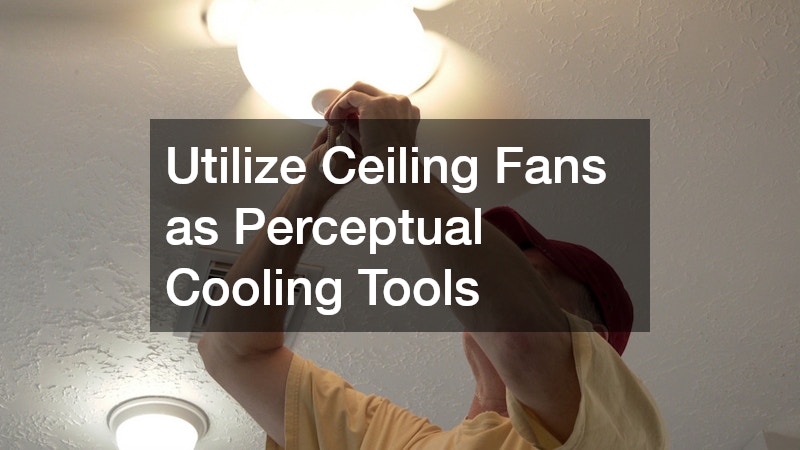
Utilize Ceiling Fans as Perceptual Cooling Tools
Ceiling fans are fantastic tools for personal comfort, but they are frequently misused by homeowners who leave them running continuously in empty rooms. It is vital to remember that fans cool people, not rooms, by creating a wind-chill effect across your skin that accelerates sweat evaporation. Running a ceiling fan in a completely vacant bedroom does absolutely nothing to lower the actual air temperature of that room; it simply wastes electricity and adds extra heat to the ceiling from the fan motor itself.
To maximize the financial benefits of your ceiling fans, make it a strict rule to turn them off every single time you step out of a room. When you are actively in the room with a fan running, you can comfortably set your main thermostat a few degrees higher without noticing any drop in your personal comfort level. Embracing this interactive approach to air movement allows you to enjoy a breezy environment while giving your main central system a much-needed rest.
Lowering your home heating and cooling bills does not require drastic lifestyle sacrifices or turning your living room into an uncomfortable environment. As we have explored, the true path to sustainable utility savings lies in recognizing and correcting the small, daily habits that quietly sabotage your equipment’s efficiency. From adjusting how you manage your windows and interior doors to being mindful of your appliance schedules and fan usage, these minor behavioral shifts accumulate into massive financial savings over time.
By taking an active, informed role in how your home manages its climate, you protect both your hard-earned money and the longevity of your mechanical systems. Start by picking just two or three of these hidden habits to correct this week, and then gradually layer in the rest as they become second nature. You will quickly find that a more mindful approach to daily home management yields an environment that is both exceptionally comfortable and remarkably affordable.