
Your home’s comfort depends heavily on how well your heating and cooling systems function throughout the year. Whether you’re dealing with extreme summer heat or freezing winter temperatures, having a dependable system in place is essential. Yet many homeowners don’t fully understand how these systems work, how to care for them, or when to make important decisions like repairs or upgrades.
This guide breaks down everything you need to know—from how your system operates to how to maintain it, troubleshoot issues, and work with professionals. By the end, you’ll be better equipped to protect your investment, reduce energy costs, and keep your home comfortable in every season.
How Your Home’s Heating and Cooling System Actually Works
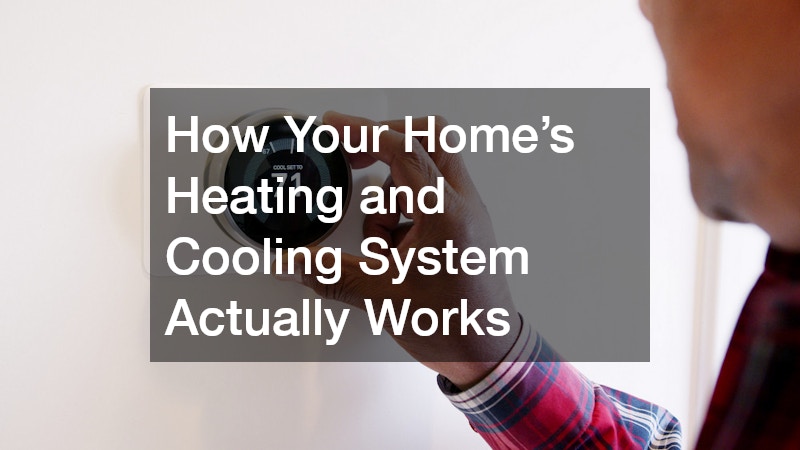
Most homes rely on a central HVAC system designed to regulate indoor temperature, airflow, and overall comfort. While the system may seem complex, it operates through a series of coordinated components working together.
At its core, your system includes:
- A thermostat that controls temperature settings
- A furnace or heat source for warming air
- An air conditioner or cooling unit
- Ductwork that distributes air throughout the home
- Vents and returns that manage airflow circulation
During cooling cycles, warm air is pulled from inside your home, cooled through a refrigeration process, and redistributed. During heating cycles, the system warms air and sends it through the same duct network.
Behind the scenes, additional components play a critical role in performance. For example, the blower motor pushes conditioned air through the ducts, while coils inside the system facilitate heat exchange. Refrigerant lines carry heat away from your home during cooling, and safety controls ensure the system operates within safe limits.
Airflow balance is another key factor many homeowners overlook. If certain rooms feel too hot or too cold, it could be due to duct leaks, blocked vents, or improper system design. Even insulation levels in your home can impact how effectively conditioned air is retained.
Understanding this process helps homeowners recognize why proper sizing, airflow, and maintenance are critical. Even a small issue—like a clogged filter or leaking duct—can disrupt the entire system’s performance.
Simple Maintenance Habits That Prevent Costly Breakdowns
Routine care is one of the most effective ways to keep your system running efficiently and avoid expensive repairs. Consistent ac maintenance not only extends the life of your equipment but also ensures optimal performance during peak seasons.
Here are practical maintenance habits every homeowner should follow:
- Replace air filters every 1–3 months depending on usage
- Keep outdoor units free from debris, leaves, and dirt
- Clean vents and ensure they are not blocked by furniture
- Schedule professional inspections at least once a year
- Check thermostat settings and battery levels regularly
In addition to these basics, it’s important to pay attention to how your system sounds and performs on a daily basis. Unusual noises, inconsistent temperatures, or longer run times can all be early indicators that something isn’t working properly. Catching these signs early allows you to address minor issues before they become major problems.
Seasonal preparation is another key part of effective upkeep. Before summer, ensure your cooling system is cleaned and ready for heavy use. Before winter, verify that heating components are functioning safely and efficiently. Simple steps like rinsing off the outdoor condenser or checking for visible wear on components can make a noticeable difference.
Neglecting these basic steps can lead to reduced airflow, higher energy bills, and increased strain on system components. Over time, small maintenance issues can snowball into major mechanical failures.
Benefits of consistent upkeep include:
- Improved energy efficiency
- Better indoor air quality
- Fewer unexpected breakdowns
- Lower long-term repair costs
Taking a proactive approach to maintenance is one of the simplest ways to protect your comfort and budget.
Warning Signs Your Cooling System Needs Immediate Attention
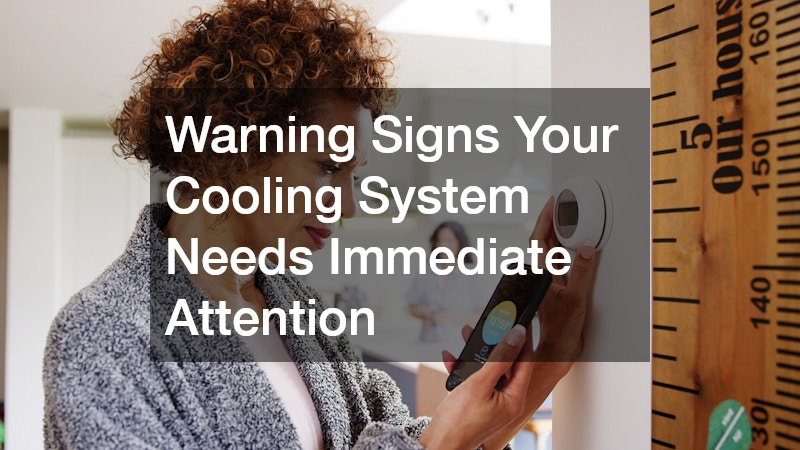
Even well-maintained systems can develop issues over time. Recognizing early warning signs can help you address problems before they escalate into costly repairs or full system failures requiring ac repair.
Watch for these common indicators:
- Weak or inconsistent airflow from vents
- Warm air blowing when cooling is expected
- Unusual noises such as grinding, banging, or squealing
- Frequent cycling on and off
- Sudden spikes in energy bills
You may also notice less obvious signs that point to trouble. For example, excess humidity inside your home can indicate that your system is no longer effectively removing moisture from the air. Strange odors—such as musty or burning smells—can signal mold growth in the system or overheating components. Additionally, if certain rooms feel significantly warmer than others, it may point to ductwork issues or failing components.
Another key warning sign is how long your system runs. If it seems to be operating constantly without reaching the desired temperature, it could be struggling due to low refrigerant levels, dirty coils, or compressor problems. Ignoring this can put significant strain on the system and increase the likelihood of a breakdown.
If you notice any of these symptoms, it’s important to act quickly. Delaying service can cause additional wear on components and lead to more extensive damage.
While some minor troubleshooting—like replacing a filter or checking thermostat settings—can be done yourself, more complex issues should be handled by a professional. Attempting DIY fixes on mechanical or electrical components can result in safety risks and further damage.
When It’s Time to Upgrade Instead of Repair Your AC
At some point, repairing your system may no longer be the most cost-effective solution. Knowing when to consider ac replacement can save you money and improve your home’s comfort. Many homeowners continue investing in repairs long after it makes financial sense, only to realize that those repeated service calls add up to more than a new system would have cost in the first place.
Here are key factors to consider:
- System age: Most cooling units last 10–15 years
- Frequent breakdowns requiring repeated service calls
- Rising energy bills despite regular maintenance
- Use of outdated refrigerants or inefficient technology
In addition to these signs, pay attention to performance consistency. If your system struggles to maintain set temperatures during moderate weather—not just extreme heat—it may indicate declining overall capacity. Another important factor is parts availability; older systems often rely on components that are harder to source, making repairs slower and more expensive over time.
A helpful rule of thumb is the “50% rule”—if a repair costs more than half the price of a new unit, replacement is often the better investment.
Benefits of upgrading include:
- Increased energy efficiency and lower utility costs
- Improved cooling performance and consistency
- Quieter operation
- Enhanced smart thermostat compatibility
- Better humidity control and indoor air quality
Modern systems are also designed with advanced diagnostics, which can help detect issues early and reduce long-term maintenance needs.
While the upfront cost may seem significant, modern systems often pay for themselves over time through energy savings and reduced repair needs.
Key Factors to Consider Before Installing a New Cooling System
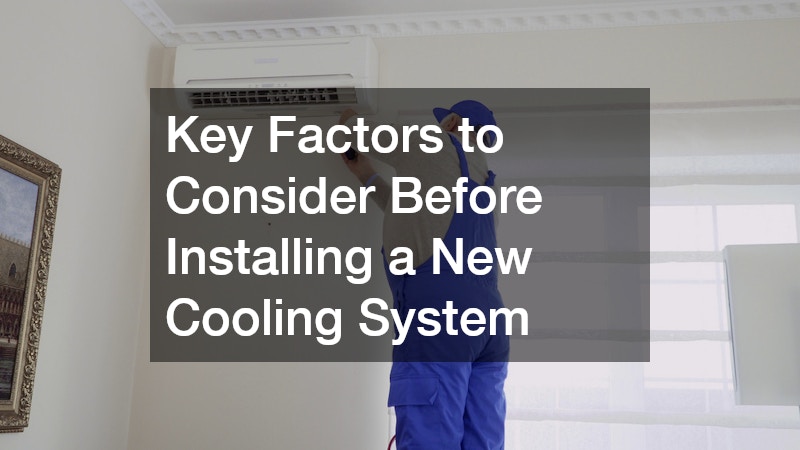
Choosing the right system for your home involves more than simply picking a unit off the shelf. Proper ac installation requires careful planning and evaluation to ensure long-term performance. A well-chosen system should match your home’s size, layout, and cooling demands while also fitting your long-term budget and efficiency goals.
Important considerations include:
- System size: An improperly sized unit can lead to inefficiency and uneven cooling
- Energy efficiency ratings: Look for high SEER ratings to reduce energy usage
- Home insulation and layout: These factors impact system performance
- Budget and long-term operating costs
Beyond these basics, climate conditions in your area also matter. Homes in regions with high humidity may benefit from systems with stronger dehumidification capabilities, while homes with large sun exposure may require higher cooling capacity or zoning adjustments. Even window placement and ceiling height can influence how effectively cool air circulates throughout your home.
Working with professionals ensures accurate load calculations and proper installation techniques. Poor installation can reduce efficiency by up to 30%, even with a high-quality unit.
Homeowners should also consider:
- Smart thermostat compatibility
- Zoning options for better control
- Warranty coverage and service agreements
- Noise levels of indoor and outdoor units
- Future expandability if home needs change
Another often-overlooked factor is ductwork condition. Even a perfectly installed system can underperform if ducts are leaking, poorly insulated, or incorrectly sized. Addressing these issues during installation can significantly improve system efficiency and comfort.
Taking the time to plan your installation carefully will help you avoid common pitfalls and maximize your investment.
Common Heating Issues and How to Address Them Early
Heating systems can develop problems that impact comfort and safety, especially during colder months. Addressing these issues promptly can prevent the need for extensive furnace repair.
Common problems include:
- Uneven heating between rooms
- Strange odors or burning smells
- Difficulty starting or staying on
- Increased noise during operation
Some issues may stem from simple causes like dirty filters or thermostat malfunctions, while others may involve more complex mechanical failures.
To minimize risks:
- Schedule regular inspections before winter
- Keep vents clean and unobstructed
- Monitor system performance closely during peak usage
Early intervention not only improves comfort but also helps prevent safety hazards such as carbon monoxide leaks or system overheating.
Planning Ahead for a Smooth Furnace Upgrade
Just like cooling systems, heating units eventually reach the end of their lifespan. Planning ahead for furnace replacement allows you to avoid emergency situations during the coldest months of the year.
Signs it may be time to upgrade include:
- A system older than 15–20 years
- Frequent and costly repairs
- Declining efficiency and higher heating bills
- Inconsistent or inadequate heating
When planning a replacement, consider:
- Energy efficiency ratings (AFUE)
- Fuel type (gas, electric, or alternative options)
- Compatibility with existing ductwork
Upgrading to a modern system offers several advantages:
- Better energy efficiency and lower costs
- Improved reliability
- Enhanced comfort and temperature control
Planning ahead also gives you time to research options, compare costs, and schedule installation at your convenience.
What to Expect During a New Heating System Setup
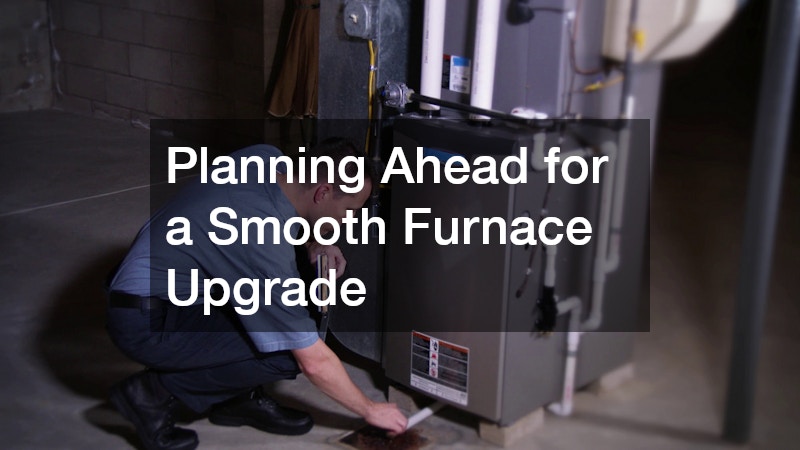
Understanding the process of furnace installation can help you prepare your home and minimize disruptions.
The installation process typically includes:
- Removing the old system
- Inspecting and possibly upgrading ductwork
- Installing the new unit and connecting components
- Testing the system for proper operation
Homeowners can prepare by:
- Clearing the area around the installation site
- Ensuring easy access for technicians
- Asking questions about system operation and maintenance
After installation, technicians will:
- Test airflow and system performance
- Calibrate the thermostat
- Provide guidance on maintenance and usage
A properly installed system ensures efficiency, safety, and long-term reliability, making it a critical step in your home comfort journey.
How to Choose Reliable Professionals for the Job
Selecting the right HVAC contractors is one of the most important decisions you’ll make as a homeowner. The quality of workmanship directly impacts system performance and longevity.
When evaluating contractors, look for:
- Proper licensing and certifications
- Positive customer reviews and testimonials
- Transparent pricing and detailed estimates
- Experience with your specific system type
Questions to ask include:
- Are you licensed and insured?
- What warranties do you offer?
- Can you provide references?
Red flags to avoid:
- Unusually low estimates
- Lack of written contracts
- High-pressure sales tactics
Taking the time to vet contractors ensures you receive quality service and avoid costly mistakes.
Building a Long-Term Relationship With a Trusted Service Provider
Working with a dependable HVAC company provides long-term benefits that go beyond a single service appointment. Establishing an ongoing relationship ensures your system receives consistent, high-quality care.
Advantages of partnering with a trusted provider include:
- Access to maintenance plans and priority service
- Consistent service history and system familiarity
- Faster response times during emergencies
- Expert recommendations for upgrades and improvements
Maintenance plans often include:
- Annual inspections
- Discounted repairs
- Priority scheduling
By building a relationship with a reliable provider, you can enjoy peace of mind knowing your home’s comfort system is in capable hands year-round.
Understanding how your heating and cooling system works—and how to care for it—can make a significant difference in your home’s comfort, efficiency, and long-term costs. From routine upkeep to recognizing warning signs and planning upgrades, every step you take as a homeowner plays a role in keeping your system running smoothly.
By staying proactive, asking the right questions, and working with experienced professionals, you can avoid unnecessary stress and expenses. A well-maintained system doesn’t just keep your home comfortable—it also protects your investment and ensures reliable performance for years to come.