
- A whistling furnace can be harmless, but it may also signal serious issues affecting safety, efficiency, and indoor air quality.
- Common causes include dirty or clogged filters, leaky or narrow ducts, improperly sized vents, loose components, and high gas pressure.
- Warning signs of a dangerous furnace include persistent whistling, unusual odors, uneven heating, rapid cycling, and a yellow pilot light in gas furnaces.
- Continuing to use a whistling furnace without inspection can lead to fire hazards, carbon monoxide buildup, higher energy bills, and damage to the HVAC system.
- Some minor issues, like dirty filters or blocked vents, can be fixed by homeowners, but gas, electrical, or ductwork problems require a licensed professional.
- Regular preventive maintenance—such as replacing filters, sealing ducts, scheduling HVAC inspections, and monitoring for unusual sounds—reduces risks.
- Immediate safety steps include turning off the furnace if you smell gas, avoiding nearby electrical appliances, and ensuring carbon monoxide detectors are functioning.
If you’ve ever heard a high-pitched whistle coming from your furnace, you may have wondered: is a whistling furnace dangerous? While some noises are harmless, a whistling furnace can sometimes signal serious problems that affect your safety, comfort, and energy bills. In this article, we’ll explore the causes, risks, and solutions so you can take the right steps to protect your home.
Why Does Your Furnace Whistle?
If you’ve ever asked yourself, “why is my furnace whistling,” you’re not alone. Furnace whistling often indicates airflow or mechanical issues, but the exact cause can vary depending on the type of system you have. Common reasons include:
- Dirty or clogged air filters – Restricted airflow can create a whistling sound as the furnace struggles to move air.
- Ductwork issues – Narrow, bent, or leaking ducts can cause air to rush through tight spaces, creating a whistling effect.
- Improperly sized furnace or vents – If the system or vents are too small for your home, air pressure imbalances can produce noise.
- Loose or damaged components – Blower fans, belts, and panels that are loose or worn can cause whistling or squealing noises.
Understanding why your furnace is whistling is the first step toward determining whether it’s dangerous.
Is a Whistling Furnace Dangerous?
The short answer is: it can be, depending on the cause. While not every whistling furnace signals an immediate threat, some issues can lead to:
- Carbon monoxide leaks – Furnaces powered by natural gas or propane can develop leaks if components fail or combustion is incomplete.
- Fire hazards – Electrical faults, overheating, or poor maintenance increase the risk of fire.
- Reduced efficiency – A struggling furnace uses more energy, which can increase your bills and wear out the system faster.
- Indoor air quality issues – Leaks in ducts or improper ventilation can circulate dust, allergens, or carbon monoxide.
Because of these potential risks, it’s important not to ignore a whistling furnace.
How to Identify a Dangerous Furnace
You don’t need to be an HVAC expert to spot warning signs. Watch for:
- Persistent whistling or squealing that doesn’t go away after changing filters.
- Unusual odors, like burning smells or gas.
- Frequent cycling, where the furnace turns on and off rapidly.
- Uneven heating across rooms.
- Yellow pilot light in gas furnaces, which can indicate incomplete combustion.
If you notice any of these, treat it as urgent. A professional inspection is the safest move.
Is It Safe to Keep Using a Whistling Furnace?
It depends on the cause. For minor issues like a dirty filter or slightly loose vents, the furnace is usually safe after quick maintenance. However, if the whistling comes with any of the warning signs mentioned above, continued use can be dangerous.
Tips for immediate safety:
- Turn off the furnace if you smell gas.
- Avoid using electrical appliances near the furnace until inspected.
- Ensure your carbon monoxide detector is functioning.
Common Causes of Furnace Whistling
Dirty or Clogged Air Filters
One of the most common and easiest-to-fix causes. A clogged filter reduces airflow, causing the furnace to strain. Replacing your filter regularly often eliminates whistling.
Leaky or Narrow Ducts
Ducts that are too small or have gaps can create pressure changes, resulting in whistling. Sealing leaks and ensuring proper sizing can solve this problem.
Improper Vent Size
If your vents are undersized for the furnace’s output, air moves faster through the small openings, producing a high-pitched sound. An HVAC professional can evaluate whether resizing is needed.
Loose or Damaged Components
Furnace panels, belts, and blower motors can loosen over time. Vibrations can create whistling, squealing, or rattling noises. Tightening or replacing components is usually required.
High Gas Pressure
In gas furnaces, high pressure can create a whistling sound and increase the risk of flame rollout, which is dangerous and requires immediate attention.
How to Troubleshoot a Whistling Furnace
While some causes require professional help, there are steps you can take safely:
- Check the air filter – Replace it if it’s dirty.
- Inspect vent openings – Make sure nothing is blocking airflow.
- Listen for patterns – Identify if the whistling happens during startup, shutdown, or constant operation.
- Check duct connections – Tighten loose ducts if accessible.
- Schedule professional maintenance – If the whistling persists, a licensed HVAC technician can pinpoint the issue.
When to Call a Professional
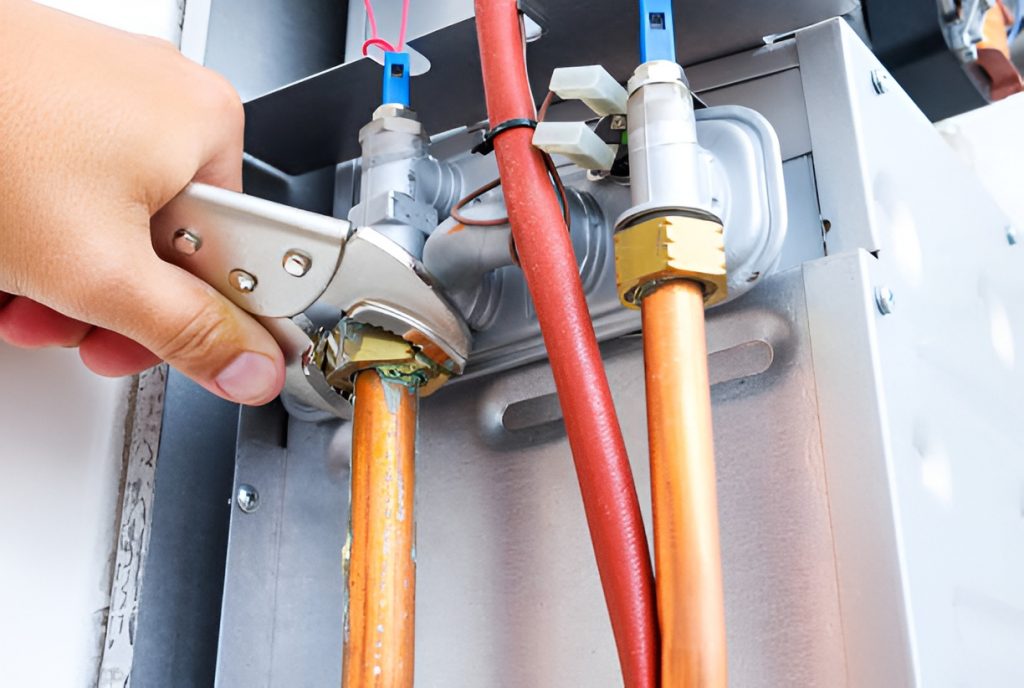
You should always call an HVAC technician if you notice:
- Gas or burning smells
- Yellow pilot light or unusual flames
- Persistent whistling after basic maintenance
- Rapid cycling or uneven heating
- Signs of electrical issues, like flickering lights
Professional inspections can prevent minor problems from turning into dangerous situations.
Risks to Your Home if Ignored
Ignoring a whistling furnace can have serious consequences:
- Fire hazards – Overheating or electrical faults can ignite nearby materials.
- Carbon monoxide buildup – Dangerous for you and your family.
- Energy waste – Whistling often signals inefficiency, costing more on utility bills.
- Damage to HVAC system – Continued strain can shorten the lifespan of your furnace.
Preventive Maintenance Tips
The best way to reduce risks is regular maintenance:
- Replace or clean air filters monthly during heavy usage.
- Schedule annual HVAC inspections.
- Seal and insulate ducts.
- Check vents for blockages.
- Listen for unusual sounds and act quickly.
- Install carbon monoxide detectors near sleeping areas.
Can Whistling Furnace Be Fixed Without a Technician?
Some minor issues, like dirty filters or blocked vents, can be fixed on your own. However, anything involving gas, electrical components, or ductwork modifications should be handled by a licensed professional. Trying to fix complex problems yourself can increase the danger rather than reduce it.
The Bottom Line: Don’t Ignore a Whistling Furnace
So, is a whistling furnace dangerous? It can be. While some whistling noises are harmless, others indicate serious safety risks like fire hazards, carbon monoxide leaks, and energy inefficiency. The key is identifying the cause early and taking appropriate action—whether that’s changing a filter, clearing vents, or calling a professional.
Regular maintenance, attention to warning signs, and prompt action can keep your furnace running safely and efficiently. Don’t wait for a minor whistle to become a major risk—your home and your family’s safety depend on it.