
- Whistling usually indicates airflow issues: Most furnace whistling is caused by restricted airflow due to dirty filters, blocked vents, or ductwork problems.
- Dirty air filters are a common culprit: Replacing clogged filters every 1–3 months often resolves whistling and improves overall heating efficiency.
- Check vents and ductwork: Ensure vents are fully open, unobstructed, and ducts are properly sealed to prevent air leaks and high-pitched noises.
- Loose furnace components can create whistling: Panels, blower wheels, or high-pressure settings can contribute to noise and may require tightening, cleaning, or professional adjustment.
- Professional maintenance is key: Annual HVAC inspections catch hidden issues, balance airflow, and prevent minor problems from becoming costly repairs.
- Early troubleshooting saves money: Listening for unusual sounds, monitoring airflow, and performing simple DIY fixes can prevent larger system damage.
- Preventative care reduces future whistling: Regular filter changes, duct inspections, keeping vents clear, and monitoring furnace performance help maintain a quiet, efficient system.
A whistling furnace can be one of the most frustrating noises in your home. It’s not just annoying—it can also be a sign that something isn’t working the way it should. If you’ve been asking yourself, “Why is my furnace whistling?”, you’re not alone. Many homeowners experience this issue, and while sometimes it’s harmless, other times it can indicate a problem that needs attention.
In this guide, we’ll break down the common causes of furnace whistling and give you simple fixes that you can try. We’ll also explain when it’s best to call a professional so you can keep your home warm and your furnace running smoothly.
What Does a Whistling Furnace Sound Like?
Before diving into causes, it helps to understand the sound itself. A whistling furnace usually produces a high-pitched, squealing noise that comes from the vents or the furnace unit itself. It’s different from rattling, banging, or humming—it’s sharp and persistent.
Listening carefully can help you identify the source. If the whistling gets louder when the furnace turns on or off, it’s likely related to airflow or pressure issues.
Why Is My Furnace Whistling? Common Causes
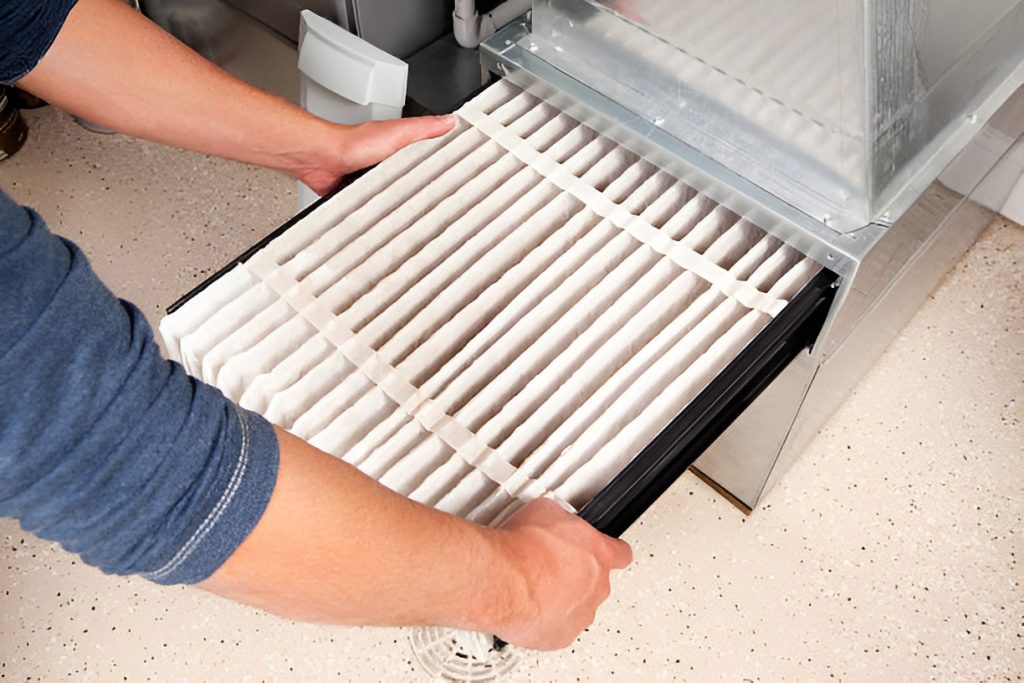
There are several reasons your furnace might start whistling. Some are minor and easy to fix, while others indicate problems that require professional attention. Understanding the source of the sound is key to resolving it efficiently. Let’s break down the most common causes:
1. Dirty or Clogged Air Filter
One of the simplest yet most overlooked causes of furnace whistling is a dirty air filter. When dust, pet hair, and other debris build up, airflow through the system is restricted. This restriction increases air pressure in the ducts, which can create a high-pitched whistling sound as air is forced through narrow openings.
Signs your air filter needs replacing:
- Furnace runs longer than usual and cycles frequently
- Reduced airflow from vents or uneven heating in rooms
- Visible dust accumulation around vent openings
- Allergies or respiratory irritation worsening in your home
Fix:
Replacing the air filter is usually the first step in solving a whistling furnace. Filters should generally be changed every 1-3 months depending on how often your furnace runs and the air quality in your home. After replacing the filter, the whistling may disappear immediately, and you’ll likely notice improved airflow and more efficient heating.
2. Ductwork Problems
Ducts are the “highways” that carry heated air from your furnace to every room in your home. If there’s a gap, tear, disconnected joint, or poorly sealed section, air can escape under pressure, producing a whistling sound. Over time, leaks not only cause noise but also reduce heating efficiency, increasing energy costs.
Common duct issues that cause whistling:
- Loose or disconnected sections that allow air to escape
- Sharp bends or kinks in flexible ducts that restrict airflow
- Small leaks near vents, returns, or joints that increase pressure
- Ducts that are too small for the amount of airflow being pushed through
Fix:
Inspect visible ducts for gaps or loose connections. Small leaks can be sealed with HVAC foil tape or mastic sealant. Avoid using standard duct tape, as it often fails over time. For ducts hidden in walls or ceilings, it’s best to call a professional HVAC technician. They can locate hard-to-find leaks and ensure repairs don’t create airflow imbalances elsewhere in your system.
3. Closed or Blocked Vents
Sometimes the source of the whistling isn’t the furnace itself but your vents. If vents are partially closed or blocked by furniture, curtains, rugs, or other objects, air is forced through a smaller opening, creating a whistling sound similar to blowing air through a narrow tube.
Quick checks you can do:
- Ensure all vents in the home are fully open
- Move furniture, drapes, or other items that might obstruct airflow
- Check for debris or dust buildup in vent grilles and clean if necessary
Fix:
Open all vents fully and remove any obstructions. Cleaning vent grilles can also improve airflow, reducing whistling and helping your furnace operate more efficiently.
4. Furnace Size or Airflow Imbalance
An incorrectly sized furnace or uneven airflow in your home can also cause whistling. A furnace that is too large may cycle on and off too quickly, creating sudden pressure changes that result in whistling. On the other hand, small ducts carrying a high volume of air can produce whistling as air speeds through restricted areas.
Signs of airflow imbalance:
- Certain rooms are warmer or colder than others
- Some vents blow much harder than others
- Whistling is localized to specific areas of the home
- Furnace seems “louder” than expected during operation
Fix:
A professional HVAC technician can assess your system and adjust dampers, vents, or duct sizing to balance airflow. In some cases, minor modifications like adding or enlarging vents can make a noticeable difference in reducing whistling.
5. Loose Furnace Panels
Furnace panels that aren’t secured properly can vibrate or allow air to escape, producing whistling noises. Even a single loose screw can make a noticeable difference in sound levels.
Fix:
Turn off the furnace and inspect the panels for tightness. Secure any loose screws or fasteners. This is often a quick and inexpensive fix, and it can improve both sound and system efficiency.
6. High Furnace Pressure
High air pressure inside the furnace can also cause whistling. This is often related to a blower fan that is running too fast or airflow that is restricted by dirty filters or partially closed vents. The pressure forces air through the system at higher speeds, creating the familiar high-pitched sound.
Fix:
- Check and replace dirty air filters
- Ensure all vents are fully open and unobstructed
- Consider having a professional adjust the blower fan speed to match your system’s capacity
- In rare cases, installing a larger return vent may be necessary to alleviate pressure
7. Worn or Dirty Blower Wheel
The blower wheel is responsible for pushing heated air from the furnace through your ducts. Over time, dust buildup or worn components can throw the wheel off balance. This can produce a whistling or squealing sound that persists even after checking filters and vents.
Fix:
A professional can clean or replace the blower wheel. Routine maintenance, including cleaning the wheel and surrounding components, can prevent this problem from recurring and improve your furnace’s efficiency.
8. Expansion and Contraction
Metal components inside your furnace expand when heated and contract when cooled. While this is normal, it can sometimes create a whistling or high-pitched sound that occurs mainly during startup or shutdown.
Fix:
- Note whether the sound only happens when the furnace turns on or off
- If it’s brief and harmless, it may not require action
- If it’s persistent or combined with other performance issues like uneven heating, a professional inspection is recommended
How to Troubleshoot a Whistling Furnace
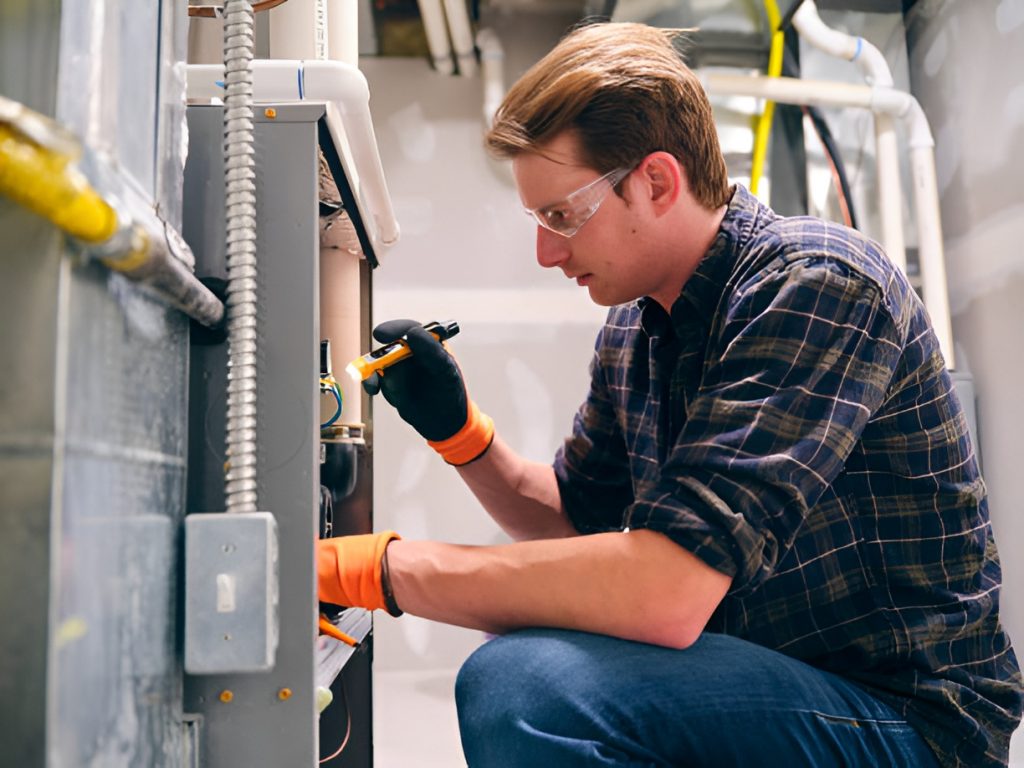
If your furnace is whistling, follow these steps to diagnose and resolve the problem:
- Turn off the furnace – Always start by turning off the power to ensure safety.
- Check the air filter – Replace it if dirty, and make a note of the replacement schedule for the future.
- Inspect vents – Make sure all vents are open and free of obstructions.
- Look for duct leaks – Seal small visible leaks using HVAC foil tape or mastic sealant.
- Check furnace panels – Tighten any loose panels or screws to prevent vibration and air escape.
- Listen for patterns – Pay attention to when and where the whistling occurs to narrow down the source.
- Call a professional – If the problem persists after these steps, a licensed HVAC technician can inspect the furnace’s internal components, blower, and ductwork for more complex issues.
Simple DIY Fixes That Work
For minor whistling problems, you can try these solutions before calling a technician:
- Replace the air filter: The easiest and most common fix.
- Open all vents fully: Ensure air flows freely throughout the home.
- Clean vent grilles: Dust and debris can block airflow.
- Tighten furnace panels: Secure any loose screws or access doors.
- Seal visible duct leaks: Use HVAC foil tape for minor leaks.
When to Call a Professional
While some whistling issues are minor, others require professional attention. Call an HVAC technician if:
- The whistling persists after replacing filters and opening vents
- You notice uneven heating or cold spots
- There’s a burning smell or unusual odors
- The furnace shuts off unexpectedly or cycles rapidly
- The whistling is accompanied by banging, clanking, or other unusual noises
A professional can check for internal problems like a malfunctioning blower wheel, high pressure, or ductwork issues that aren’t visible to the homeowner.
Preventing Furnace Whistling in the Future
Once you’ve addressed the whistling, the next step is making sure it doesn’t come back. Regular maintenance, careful monitoring, and small adjustments can go a long way in keeping your furnace running quietly and efficiently. Here are some detailed tips to help prevent future whistling:
1. Regular Filter Changes
A clean air filter is one of the simplest and most effective ways to prevent furnace whistling. Dust and debris restrict airflow, increase system pressure, and make whistling more likely.
Tips for keeping your filter clean:
- Replace standard fiberglass or pleated filters every 1-3 months depending on how often your furnace runs.
- If you have pets or live in a dusty area, consider checking the filter monthly.
- Use high-quality filters designed for your furnace model to ensure proper airflow.
Not only will a clean filter reduce whistling, but it will also improve air quality, increase energy efficiency, and extend the life of your furnace.
2. Annual Furnace Maintenance
Even if your furnace seems fine, yearly inspections by a licensed HVAC technician can prevent small problems from turning into larger ones. Maintenance helps identify and fix issues like loose panels, worn blower wheels, and ductwork leaks—common causes of whistling.
What annual maintenance usually includes:
- Checking and cleaning the blower wheel and motor
- Inspecting and tightening panels and access doors
- Examining ductwork for leaks or obstructions
- Ensuring proper airflow and system pressure
- Lubricating moving parts and checking safety controls
Scheduling yearly maintenance keeps your furnace operating efficiently, quietly, and safely.
3. Keep Vents Clear
Blocked vents are a frequent culprit of whistling. Air forced through a narrow opening makes a whistling or high-pitched noise while reducing heating efficiency.
Tips to maintain proper airflow:
- Ensure furniture, rugs, or curtains do not obstruct vent openings.
- Check vents periodically for dust or debris buildup and vacuum them if needed.
- Make sure return vents are not blocked—these are just as important as supply vents.
Maintaining open, clean vents allows air to flow freely, reducing pressure buildup and preventing noise.
4. Seal Duct Leaks
Leaky ducts not only cause whistling but also reduce heating efficiency and increase energy bills. Air escaping from gaps or loose joints forces the system to work harder, which can exacerbate whistling.
How to keep ducts leak-free:
- Inspect visible ducts periodically for loose connections or holes.
- Seal small gaps with HVAC foil tape or mastic sealant. Avoid using standard duct tape, as it can fail over time.
- For hidden ducts, consider a professional inspection to locate and repair leaks without compromising airflow.
Well-sealed ducts keep air pressure balanced, reduce whistling, and improve overall system performance.
5. Monitor Airflow and Noise
Regularly monitoring your furnace’s airflow and sounds can help you catch issues before they become serious. Early detection allows you to make small adjustments or call a technician before costly repairs are needed.
Tips for monitoring your system:
- Listen for new or unusual noises, including whistling, rattling, or squealing.
- Check that all vents are delivering consistent airflow.
- Note any changes in heating performance, such as uneven room temperatures or longer run times.
- Keep a simple maintenance log with filter changes, technician visits, and any unusual sounds.
Being proactive and attentive helps prevent minor issues from escalating and keeps your furnace operating quietly for years to come.
Understanding Furnace Whistling as a Safety Concern
While whistling is often a minor issue, it can sometimes indicate airflow problems that reduce efficiency or cause strain on your system. Restricted airflow can cause:
- Overheating of the furnace
- Higher energy bills
- Reduced system lifespan
- Poor indoor air quality
Addressing whistling promptly helps maintain both comfort and safety in your home.
The Cost of Ignoring a Whistling Furnace
Ignoring a whistling furnace may seem harmless, but over time it can lead to bigger problems:
- Worn blower motors or other components
- Increased energy bills due to inefficient airflow
- Potential safety hazards if the system overheats
- Higher repair costs down the line
Fixing small issues early saves money and prevents disruptions during colder months.
Whistling Furnace Myths
There are some common misconceptions about whistling furnaces:
- Myth 1: Whistling always means the furnace is broken.
- Truth: Many whistling noises are caused by minor airflow issues.
- Myth 2: A furnace filter doesn’t affect whistling.
- Truth: Dirty filters are one of the leading causes of whistling.
- Myth 3: Only old furnaces whistle.
- Truth: Even new furnaces can whistle if vents are blocked or ductwork is tight.
Understanding the truth behind these myths helps you respond appropriately without unnecessary stress.
Wrapping It Up
If you’ve been wondering, “Why is my furnace whistling?”, the answer usually comes down to airflow issues, dirty filters, or ductwork problems. While some causes are easy to fix on your own, others require professional attention.
Regular maintenance, proper airflow, and attention to small changes in sound or performance will keep your furnace running efficiently and quietly. By taking action now, you can avoid bigger problems later and enjoy a warm, comfortable home all winter long.